Signs You May Need a Root Canal
You may need root canal treatment if you are experiencing:
- Ongoing tooth pain
- Swelling around the gums or jaw
- Sensitivity to hot or cold
- Pain when chewing or biting
- A darkened or discolored tooth
- A pimple-like bump on the gums
- Deep decay or a cracked tooth
If you notice these symptoms, it is important to schedule an appointment as soon as possible. Early treatment can help prevent the infection from spreading.
What to Expect During a Root Canal
Initial Consultation and Diagnosis
Your dentist will examine your tooth and may take digital X-rays to understand the extent of the infection or damage. This helps determine whether root canal treatment is the right option.
Preparing for Treatment
Before the procedure begins, the area is numbed to help keep you comfortable. Your dentist will explain each step so you know what to expect.
Cleaning and Sealing the Tooth
The infected pulp is carefully removed from inside the tooth. The root canals are then cleaned, disinfected, filled, and sealed to help prevent further infection.
Restoring the Tooth
After a root canal, a dental crown may be recommended to protect and strengthen the treated tooth, especially if it has been weakened by decay or damage.
Benefits of Root Canal Treatment
Root canal treatment can help:
- Relieve tooth pain
- Treat infection
- Save your natural tooth
- Avoid tooth extraction
- Restore chewing function
- Protect surrounding teeth
- Maintain your natural smile
Saving your natural tooth is often the best long-term option when possible, because it helps maintain your bite, jaw function, and overall oral health.
How Long Does a Root Canal Take?
- The time required depends on which tooth needs treatment.
- It also depends on how severe the infection or damage is.
- Some root canal treatments can be completed in a single visit.
- More complex cases may need more than one appointment.
- Your dentist will confirm the timeline after examining the tooth and reviewing X-rays.
Alternatives to Root Canal Treatment
- If the tooth can still be saved, root canal treatment is usually preferred.
- If the tooth is too damaged or infected, extraction may be recommended.
- After extraction, the missing tooth can be replaced with dental implants, dental bridges, or partial dentures.
- Preserving the natural tooth is often the better option when possible, because it helps maintain your bite, chewing function, and smile.
Why Choose Gentle Dental?
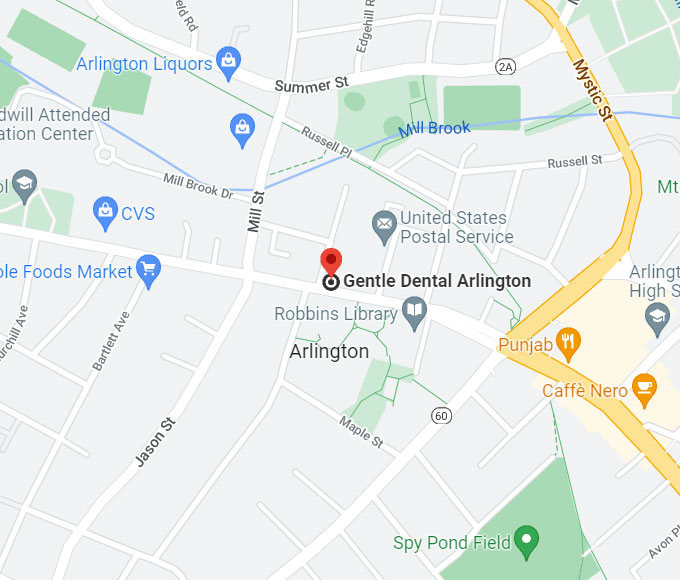
- Gentle Dental Arlington offers in-house root canal treatment, so you can get care without needing to visit a different provider.
- Our team focuses on relieving pain, treating infection, and helping save your natural tooth whenever possible.
- We use digital X-rays and a careful diagnosis process to plan the right treatment.
- The procedure is performed with patient comfort in mind, using modern techniques to make the experience easier.
- We can also help with follow-up restorative care, such as crowns, if your tooth needs added protection after treatment.