New Patient Offer
$79
A $400+ Value
- Exam
- X-rays
- Cleaning
- Treatment Plan


Skilled oral surgery for complex problems affecting teeth, gums, bone, and jaw structure.




Surgical care for impacted teeth, implants, bone support, extractions, and other complex dental needs.

Expert care for the removal of impacted or problematic wisdom teeth by oral surgeons
All wisdom tooth types
Sedation available
Quick recovery
Expert aftercare

Safe and gentle removal of damaged, decayed, or problematic teeth by our oral surgery team
Simple and surgical
Sedation available
Minimal discomfort
Quick healing
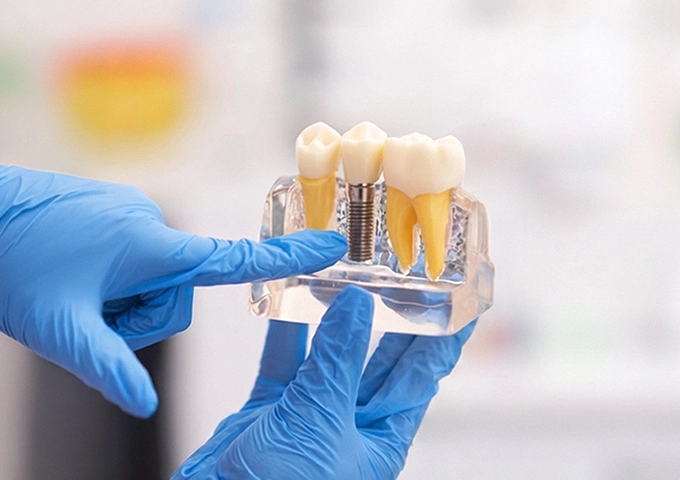
Permanently replace missing teeth with the most natural-looking tooth replacement option
Permanent solution
Preserves jaw bone
Natural feel
Long-lasting results
We use advanced technology to make your dental care services faster and easier.

Digital wellness scans for a 360° 3D image view of your mouth

An FDA-cleared, AI-powered "second set of eyes" that instantly reviews x-rays

3D imaging for accurate diagnosis of dental and airway conditions

Oral appliances, and devices to improve breathing during sleep
Experience quality care, advanced technology, and genuine compassion in your dental health journey.

Dental care tailored to your needs

Experienced, award-winning care

Advanced tech for easier, more comfortable visits
Convenient Locations
Years of Trusted Dental Care
Dentists and Specialists
We deliver top-tier family dental care under one roof. Experience complete, multi-specialty dentistry.
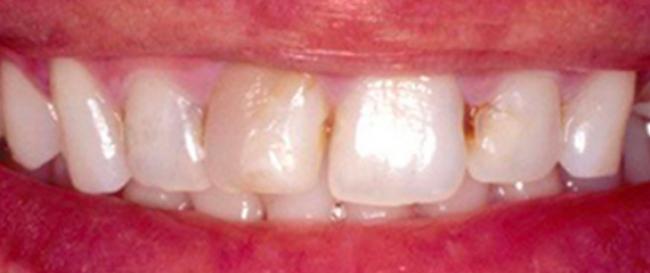
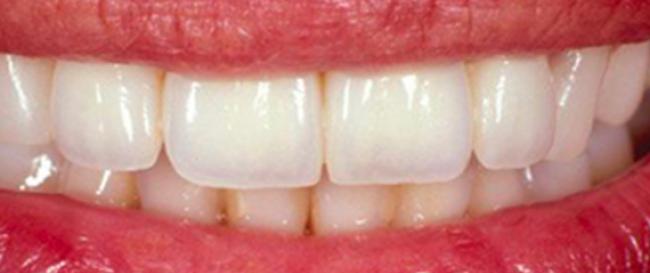
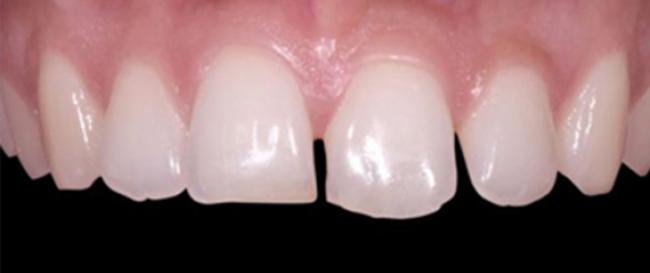
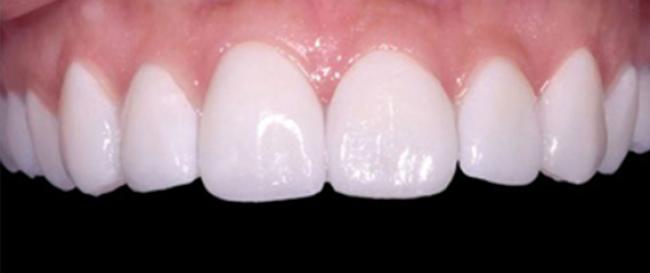
Teeth whitening, veneers, and smile makeovers
Immediate relief from pain with expert attention
Clear aligners and traditional braces
Cleanings, exams, and personalized oral hygiene
Durable, natural-looking crowns and implants
Root canals, gum treatment, and diagnostics
Personalized treatment plans that combine multiple services to create your dream smile
Thin, custom porcelain shells to instantly perfect the appearance of your teeth
Safe whitening treatments to dramatically brighten your smile
Prompt, compassionate care for toothaches, broken teeth, and other urgent issues
Traditional and modern braces to straighten teeth
Clear, removable aligners for discreet and comfortable teeth straightening
Professional cleanings to remove plaque and keep your smile fresh
A new, non-invasive treatment designed to prevent and reverse cavities
Personalized care to manage gum health for patients with diabetes
Low-radiation imaging for fast, precise, and comfortable diagnostics
Thorough checkups to monitor your oral health and catch concerns early
Quick treatments to strengthen enamel and help prevent cavities
Quick, painless screenings to check for early signs of oral cancer
Protective coatings applied to teeth to help prevent decay
Custom crowns and bridges to restore damaged or missing teeth
Durable, tooth-colored fillings to repair cavities and restore your smile
Advanced care to treat gum disease and support oral health
Natural-looking, long-lasting replacements for missing teeth
Custom dentures designed for comfort and a complete smile
Gentle treatment to relieve pain and save your natural teeth
Professional treatments for facial aesthetics and TMJ relief
Gentle oral care tailored for growing smiles
Safe options to keep you fully relaxed during dental visits
Custom oral appliances to improve breathing and sleep quality
Targeted care to relieve jaw pain, clicking, and discomfort
A regular dentist handles routine care. An oral surgeon is the right choice for wisdom teeth removal, bone grafting, dental implants, and other surgical procedures.
Yes. Oral surgery is commonly performed with careful planning, monitored treatment, and detailed recovery instructions.
Most patients prepare by attending a consultation, completing imaging, reviewing the treatment plan, and planning recovery time at home.
The timeline depends on the type of dental oral surgery, your overall health, and how well the surgical site is protected during healing.
Many insurance plans cover oral surgery, but coverage depends on the procedure and your specific policy. Click here to check your coverage online, or call us, and our team can review your benefits before treatment.
You should contact the office if the surgical area continues to bleed, your symptoms worsen, or you are unsure whether the healing looks normal.
Oral surgeons treat impacted teeth, infections, bone loss, missing teeth, and other conditions that require surgical care.
A general dentist provides routine care. An oral surgeon completes additional surgical training to manage complex procedures and advanced cases.
The most common procedures are impacted tooth removal, implant placement, infection treatment, and jaw or bone surgery.
Oral and maxillofacial surgery includes procedures for impacted teeth, jaw alignment, facial trauma, and other complex surgical needs.
Many oral surgery procedures are done with local anesthesia, though sedation options may be used based on the case and comfort level.
Routine tooth-related surgery is often billed through dental insurance. More complex procedures may involve medical insurance, depending on the diagnosis.
The cost of oral surgery depends on the treatment and whether sedation, grafting, or follow-up care is included.
Before treatment, the team confirms your plan and comfort needs. After surgery, you get instructions for pain control, swelling, and healing.
Oral surgery length depends on the procedure and complexity. Simple procedures may take 30–60 minutes, while more complex surgeries can take longer. Your surgeon will review the expected timeline and recovery details before treatment.