New Patient Offer
$79
A $400+ Value
- Exam
- X-rays
- Cleaning
- Treatment Plan


Before an extraction, we review your x-rays and ensure the area is fully numbed with local anesthesia. Once the tooth and surrounding area are anesthetized, the dentist carefully removes the affected tooth. The procedure is typically brief, and our team will provide clear, straightforward aftercare instructions to protect the extraction site and promote normal healing before you leave the office.

Our office provides dental extractions for both simple and complex cases. A simple tooth extraction removes a tooth that is easily accessible. Surgical tooth removal is used for impacted or damaged teeth. We also provide wisdom tooth extractions, pediatric tooth extractions, and emergency tooth extractions when needed.

A tooth extraction may be necessary if a tooth is damaged, infected, or not restorable. Common causes include decay, abscess, and impacted wisdom teeth. Overcrowding and gum disease can also lead to tooth removal. A broken tooth may require extraction if it cannot be repaired.

Tooth removal helps stop pain caused by infection or damage. It prevents bacteria from spreading to other teeth. A tooth extraction can also create space when needed for alignment. Removing the tooth protects your overall oral health.

Tooth extraction costs vary based on the complexity of the extraction, the tooth's location, and the anesthesia used. Simple tooth removal is less expensive than surgical procedures. During your initial consultation, our team will explain all costs before starting treatment.

After a tooth extraction, keep pressure on the gauze to control bleeding. Avoid using straws or smoking. Eat soft foods and follow the advice on what to eat after a tooth extraction. Use a saltwater rinse after 24 hours to support healing.
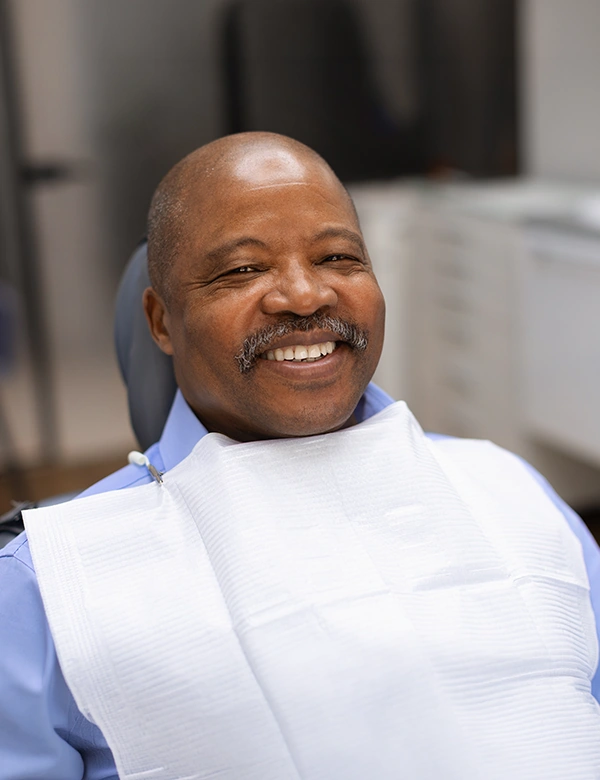
Before an extraction, we review your x-rays and ensure the area is fully numbed with local anesthesia. Once the tooth and surrounding area are anesthetized, the dentist carefully removes the affected tooth. The procedure is typically brief, and our team will provide clear, straightforward aftercare instructions to protect the extraction site and promote normal healing before you leave the office.
Our office provides dental extractions for both simple and complex cases. A simple tooth extraction removes a tooth that is easily accessible. Surgical tooth removal is used for impacted or damaged teeth. We also provide wisdom tooth extractions, pediatric tooth extractions, and emergency tooth extractions when needed.
A tooth extraction may be necessary if a tooth is damaged, infected, or not restorable. Common causes include decay, abscess, and impacted wisdom teeth. Overcrowding and gum disease can also lead to tooth removal. A broken tooth may require extraction if it cannot be repaired.
Tooth removal helps stop pain caused by infection or damage. It prevents bacteria from spreading to other teeth. A tooth extraction can also create space when needed for alignment. Removing the tooth protects your overall oral health.
Tooth extraction costs vary based on the complexity of the extraction, the tooth's location, and the anesthesia used. Simple tooth removal is less expensive than surgical procedures. During your initial consultation, our team will explain all costs before starting treatment.
After a tooth extraction, keep pressure on the gauze to control bleeding. Avoid using straws or smoking. Eat soft foods and follow the advice on what to eat after a tooth extraction. Use a saltwater rinse after 24 hours to support healing.
Most appointments last about 20 to 40 minutes once the area is numb. The total time depends on the complexity of the root structure and the tooth's location. We work carefully to ensure the removal is controlled and comfortable.
A simple procedure is used for visible teeth above the gum line. In contrast, surgical tooth removal is required when a tooth is impacted, broken at the root, or below the bone. Both methods are performed using local anesthesia to ease pain
While wisdom teeth are often more complex to remove due to their position, you should not feel pain during any extraction. Local anesthesia completely numbs the site. Patients typically feel pressure during the procedure, but it is not painful.
Pricing is based on the difficulty of the removal and the type of anesthesia used. Simple cases are less expensive than surgical procedures. We provide a detailed cost estimate during your exam.
We accept most major insurance plans and work with you to maximize your benefits. Coverage usually depends on whether the removal is considered medically necessary. Click here to check your coverage online, or call us, and our team will review your specific plan and explain any expected out-of-pocket costs.
Skip hard, crunchy, or spicy foods that can irritate the surgical site. You should also avoid hot liquids and drinking through straws for the first few days. These precautions prevent the blood clot from dislodging, which is vital for proper healing.
Elevating your head with extra pillows is the best way to rest after surgery. This elevation helps control swelling and minimizes pressure at the site. Avoid lying flat on your back, as this can increase throbbing and bleeding during the first night.
Initial healing typically takes 3-5 days. While the gum tissue begins to close over the socket within 2 weeks, the jawbone takes longer to fill the area. Following all aftercare instructions will help ensure your recovery stays on track.
Patients with severe decay, advanced gum disease, or deep fractures that cannot be repaired are candidates for removal. We also perform extractions for overcrowding and impacted wisdom teeth. A clinical exam and X-rays help determine if extraction is necessary.
Due to local anesthesia, the procedure is not painful. You may feel slight pressure as the dentist works, but no sharp discomfort. Any soreness afterward is usually mild and can be managed with over-the-counter medication and cold compresses.
Our team performs pediatric tooth extractions when a primary tooth is too decayed to save or is blocking a permanent tooth. We use a gentle approach specifically for children to keep them calm and ensure their long-term oral health is protected.
Hydration supports your body’s natural healing process and keeps the surgical site clean. Drinking plenty of water prevents dry mouth, which can lead to discomfort. Just remember to sip normally rather than using a straw to protect the healing clot.
Do stick to soft foods and keep steady pressure on your gauze. Don’t smoke, use straws, or rinse your mouth aggressively for the first 24 hours. This will protect the blood clot and significantly reduce the risk of a painful dry socket.
We deliver top-tier family dental care under one roof. Experience complete, multi-specialty dentistry.
Teeth whitening, veneers, and smile makeovers
Immediate relief from pain with expert attention
Extractions, tooth removal, and bone grafting
Clear aligners and traditional braces
Cleanings, exams, and personalized oral hygiene
Durable, natural-looking crowns and implants
Root canals, gum treatment, and diagnostics
Personalized treatment plans that combine multiple services to create your dream smile
Thin, custom porcelain shells to instantly perfect the appearance of your teeth
Safe whitening treatments to dramatically brighten your smile
Prompt, compassionate care for toothaches, broken teeth, and other urgent issues
Expert extraction of impacted or painful wisdom teeth for lasting relief
Traditional and modern braces to straighten teeth
Clear, removable aligners for discreet and comfortable teeth straightening
Professional cleanings to remove plaque and keep your smile fresh
A new, non-invasive treatment designed to prevent and reverse cavities
Personalized care to manage gum health for patients with diabetes
Low-radiation imaging for fast, precise, and comfortable diagnostics
Thorough checkups to monitor your oral health and catch concerns early
Quick treatments to strengthen enamel and help prevent cavities
Quick, painless screenings to check for early signs of oral cancer
Protective coatings applied to teeth to help prevent decay
Custom crowns and bridges to restore damaged or missing teeth
Durable, tooth-colored fillings to repair cavities and restore your smile
Advanced care to treat gum disease and support oral health
Natural-looking, long-lasting replacements for missing teeth
Custom dentures designed for comfort and a complete smile
Gentle treatment to relieve pain and save your natural teeth
Professional treatments for facial aesthetics and TMJ relief
Gentle oral care tailored for growing smiles
Safe options to keep you fully relaxed during dental visits
Custom oral appliances to improve breathing and sleep quality
Targeted care to relieve jaw pain, clicking, and discomfort
Choose the location most convenient for you.