New Patient Offer
$79
A $400+ Value
- Exam
- X-rays
- Cleaning
- Treatment Plan


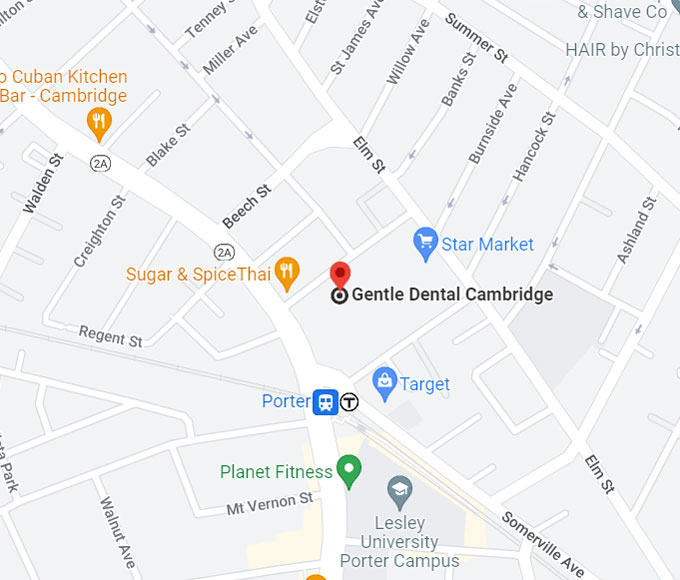
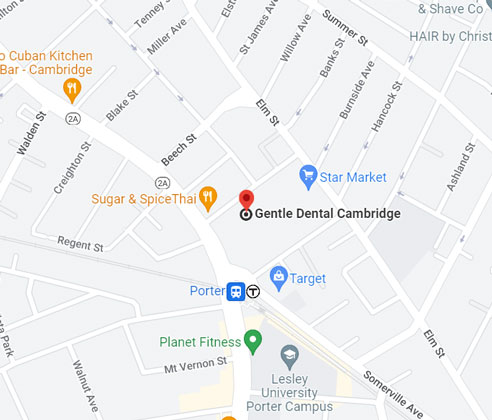
Located in the Porter Square Shopping Center. Free parking.
Now Welcoming Fresh Pond Dental patients!
Located in the Porter Square Shopping Center. Free parking.
Now Welcoming Fresh Pond Dental patients!
Cambridge

I came in for an emergency appointment. Dr. Andrew was very helpful. He gave me his business card and told me to call/email him should my condition worsen and that he would be there if I needed to see the ER. The place is very clean and modern. The reception staff is also very helpful and friendly. I have no gauge of the prices in the Cambridge area, but I didn't have insurance, and what I was charged was quite reasonable for what I needed to be treated for.
Cambridge
I just moved to the area so I am new there. Great team! Leah and Dr. Goldberg treat me, and they are superb at what they do. Olga works out front and is beyond healthful. Excellent customer service from the entire staff.
Beyond root canals, our Cambridge office provides a full range of dental services. From regular check-ups to specialized treatments, we're here to meet all your dental needs. Explore our services.
A root canal is one of the most common dental procedures, with over 14 million performed annually. This straightforward treatment can save your natural teeth and help you avoid the need for dental implants or bridges.
At the center of each tooth lies the pulp, a collection of blood vessels that supports tooth development. Infection in the pulp can occur due to trauma, deep decay, cracks, chips, or repeated dental procedures. Signs of pulp infection include visible injury or swelling, temperature sensitivity, and tooth or gum pain.
If you experience these symptoms, your dentist at Gentle Dental Cambridge may recommend a root canal to remove the infected pulp. The root canal system is then carefully cleaned and sealed. This procedure usually requires local anesthesia and may take one or more visits, depending on the extent of treatment needed, with a success rate of about 90%. Our team will inform you if your tooth is unsuitable for endodontic treatment or if complications arise during or after treatment.
We prioritize your comfort by using local anesthesia and nitrous oxide if needed. After your root canal at Gentle Dental Cambridge, you can safely drive home and return to your routine.
Here are some common signs that you may need a Cambridge root canal:
However, many patients experience no symptoms until the issue becomes more serious, so routine dental checkups are essential for prevention.
Root canal therapy typically involves three steps and may take one to three sessions. Here's an overview of what to expect from a root canal specialist in Cambridge:
1. Cleaning the Root Canal
To begin, our dentist administers local anesthesia to numb the tooth. You may feel a slight pinch from the needle, but this quickly fades as the tooth becomes numb. Our experienced root canal specialist in Cambridge will then clean the root canal. First, the dentist creates an access hole on the tooth's surface and carefully removes the diseased or dead pulp tissue with small files. They may also apply an antimicrobial solution to eliminate any remaining bacteria and reduce the risk of future infection.
2. Filling the Root Canal
Once our specialists thoroughly clean and dry the area, they fill the root canal with a rubber-like material and apply adhesive cement to seal the canals completely. The root canal specialist in Cambridge then places a temporary filling over the opening and fits a permanent crown. Removing the infected nerve tissue ensures the treated tooth no longer experiences pain following root canal therapy.
3. Placing a Crown or Filling
The final step involves adding a permanent crown or a similar restoration to protect the tooth. Until the crown or filling is complete, avoid chewing or biting on the treated tooth. Once this final restoration is in place, you can resume everyday use of the tooth.
This comprehensive approach ensures effective pain relief and protection, restoring your tooth to its full function.
After completing your root canal therapy, we'll send a record of your treatment to your restorative dentist. Schedule a follow-up appointment within a few weeks to receive the necessary restoration to protect your tooth. Your restorative dentist will determine the best type of restoration for your needs. Complications after routine endodontic treatment or microsurgery are rare, but we are always available to assist if any issues arise. Remember to maintain good dental hygiene to prevent further decay.
The dentist administers anesthesia to make the procedure as comfortable as a standard dental treatment. You may experience some mild soreness afterward, but it’s usually minimal.
After a root canal at our Cambridge office, you may experience numbness for about two hours. Most patients can resume normal activities, like returning to work or school, shortly afterward.
However, it's essential to be cautious when eating while numb. Avoid food until the sensation returns, and start with soft foods to prevent discomfort.
The time required for a root canal can vary depending on the level of infection. In some cases, our root canal specialist in Cambridge may recommend at least two separate appointments to complete the treatment.
A root canal appointment typically takes about one hour. However, depending on the tooth's size and the procedure's complexity, the dentist may need additional time.
The cost of root canal treatment can vary significantly based on factors like the location of the dental practice, the specific tooth requiring treatment, the complexity of the case, and whether you have dental insurance.
A root canal specialist in Cambridge determines treatment costs based on factors such as the dental practice location, the specific teeth being treated, the complexity of the procedure, and your dental insurance coverage.
Delaying a root canal for too long can lead to further tooth deterioration, potentially requiring extraction. It's best to schedule a root canal within a week or two to avoid complications.
When a tooth is severely decayed or infected, you may need to choose between a root canal and an extraction. Dentists typically recommend extractions for wisdom teeth, while they prefer root canal therapy to preserve other teeth. Our Gentle Dental Cambridge office can help you determine the best option for your situation.
The dental team does not typically use general anesthesia for a root canal procedure. Instead, they apply local anesthesia to numb the treated area, keeping you comfortable and pain-free. You remain awake but relaxed, allowing the team to perform the root canal precisely.
If your request is a dental emergency, or you would like to call and schedule your dental appointment, contact information for our offices can be found here: Gentle Dental Locations. New patient offer not valid for emergency appointments.

