New Patient Offer
$79
A $400+ Value
- Exam
- X-rays
- Cleaning
- Treatment Plan


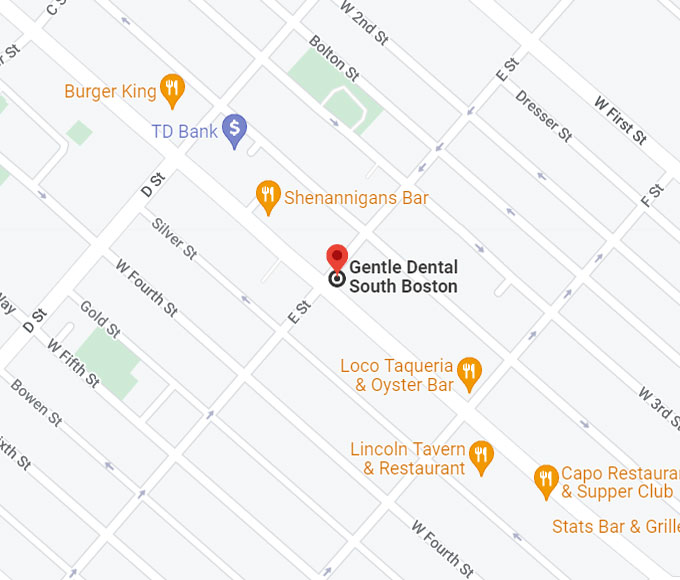
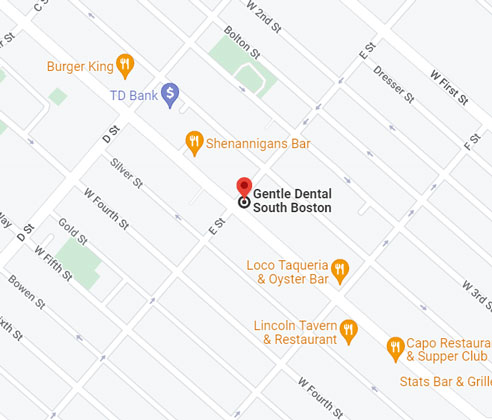
Metered street parking available. 10 Minute walk from Broadway Station.
Metered street parking available. 10 Minute walk from Broadway Station.
South Boston

Dr. Bahadoran was very helpful through my Invisalign process and Olivia at the front desk was always lovely!
South Boston
After years of daily headaches, I’m finally headache-free with Invisalign treatment. I had no idea that I had TMJ until I visited and asked casually. I’m so grateful; their team is wonderful. What a difference!
Beyond orthodontics, our Boston office provides a full range of dental services. From regular cleanings to specialized treatments, our Boston, MA, orthodontist is here to meet all your dental care needs. Explore our other services.
Orthodontics is a specialized dental field focused on diagnosing and treating tooth misalignment and irregularities in the jaw. The term "orthodontics" comes from the Greek words *orthos* (meaning proper or straight) and *odons* (meaning teeth).
Well-aligned teeth provide several benefits, such as easier cleaning, improved oral hygiene, clearer speech, and a more attractive smile. While orthodontic treatment is effective at any age, the American Dental Association recommends that children have an orthodontic evaluation around age seven. Starting treatment early allows orthodontists to address issues sooner, resulting in quicker and more successful outcomes.
Orthodontists can effectively address numerous dental issues, often achieving complete teeth realignment. Depending on the case's complexity, orthodontists may work independently or with a maxillofacial surgeon to ensure optimal results.
Here are some typical dental irregularities that require orthodontic treatment:
Orthodontists can diagnose and treat these issues, enhancing your smile's appearance and functionality.
Orthodontics is a versatile field of dentistry that can be used alone or combined with maxillofacial or cosmetic treatments.
Here are some common conditions that orthodontics can treat:
The common orthodontic treatments offered by Orthodontics include:
Orthodontics is a specialized field of dentistry focused on diagnosing, treating, and preventing malocclusions (improper bites) and other jaw and facial irregularities. Orthodontists are highly trained to correct these issues, helping restore your smile's functionality, health, and aesthetic balance. While orthodontic treatments were initially designed for children and teenagers, nearly one-third of patients today are adults, proving that individuals of any age can benefit from orthodontic care.
Orthodontic treatment typically takes six to thirty months, depending on the type of malocclusion, the dental devices used, and the patient's dedication to the process. Here's a comprehensive overview of the three major stages of orthodontic treatment, as guided by South Boston Orthodontics:
In this initial phase, the orthodontist diagnoses thoroughly to determine the most efficient and effective way to realign the teeth. The first few visits may include:
Photographs: Orthodontists often take photos of the face and teeth before, during, and after treatment to track progress and its effect on facial structure.
After gathering diagnostic information, orthodontists will develop a customized treatment plan. At this stage, the orthodontist will recommend either fixed or removable orthodontic devices to gradually move the teeth into proper alignment.
The orthodontist regularly adjusts these devices to ensure they apply consistent pressure to the teeth. Attending all scheduled appointments and promptly reporting any damage to the device is essential.
Once the teeth are correctly aligned, the orthodontist removes the braces and devices, signaling the end of active treatment. At this stage, the orthodontist creates a custom retainer to prevent the teeth from shifting back to their original positions. Patients must wear the retainer for a designated amount of time each day. During this phase, the jawbone reforms around the newly aligned teeth, stabilizing them.
With guidance from Orthodontics, each phase of treatment is carefully managed to ensure optimal results and long-term success for your orthodontic care.
Crooked or misaligned teeth not only impact appearance, often leading to low self-esteem and reduced confidence, but they can also cause functional issues like difficulty biting, chewing, and speaking clearly. Orthodontists will tell you that properly aligned teeth are typically healthier overall.
Straight teeth offer numerous health and dental advantages, including:
Fortunately, orthodontic braces have become more convenient for adults, with various fixed and removable devices available to address different malocclusions.
The most common malocclusions include underbites (where the lower teeth extend beyond the upper teeth), overbites (where the upper teeth protrude beyond the lower teeth), and overcrowding, where there isn't enough space on the dental arches to accommodate all the adult teeth.
Before recommending any specific orthodontic treatment, orthodontists will first address any pre-existing dental issues, such as gum disease, plaque buildup, or tooth decay, as braces can exacerbate these conditions if left untreated.
A common question about braces is whether they cause pain. The truth is, braces do not hurt when applied, so there's no need to worry. You may experience mild soreness or discomfort for a few days after the orthodontist places the wire in the brackets.
Visiting your dentist first ensures that any underlying conditions, such as cavities, gum disease, or tooth decay, are diagnosed and treated. Addressing these issues beforehand creates a healthier foundation, allowing your orthodontic treatment to proceed more smoothly and effectively for optimal results.
The American Association of Orthodontists (AAO) suggests that children should have their first orthodontist visit by age seven or when the first signs of malocclusion appear. At this stage, the teeth and jaw are still developing, making it easier to address issues like underbites or severe crowding early on.
Traditional metal braces are slightly more affordable than Invisalign. Although more insurance companies now cover Invisalign, metal braces generally receive better coverage. If budget is crucial, metal braces are often the most cost-effective.
If you have tooth decay or other dental issues, your dentist will recommend treating them before getting braces. Braces can hinder the dentist's ability to address dental problems effectively. Applying braces over untreated decay can worsen the issue, leading to more severe complications down the road.
Both braces and Invisalign take longer to correct more severe misalignment, but some studies suggest that Invisalign can achieve results more quickly. On average, Invisalign treatment lasts about 6 to 18 months, whereas traditional metal braces typically require 20 to 24 months for full correction.
If your request is a dental emergency, or you would like to call and schedule your dental appointment, contact information for our offices can be found here: Gentle Dental Locations. New patient offer not valid for emergency appointments.

