What is a Root Canal?
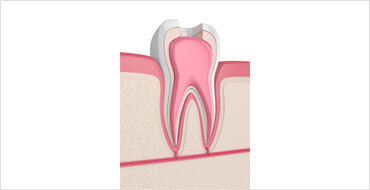
Root canal treatment is a procedure that involves removing the infected pulp of a tooth, cleaning and sealing the root canals to prevent further damage or infection. It helps save a tooth that might otherwise need to be extracted, offering a long-lasting solution.
The Root Canal Procedure Explained
Step 1: Initial Consultation and Diagnosis
When you visit Gentle Dental for a root canal, your journey starts with a thorough examination. The dentist will take detailed X-rays of your tooth to understand the extent of the infection or damage. Based on this information, your dentist will explain the treatment options and recommend the best approach for your individual case. This initial consultation helps you understand what to expect and ensures that you receive personalized care for your needs.
Step 2: Anesthesia and Comfort
During the procedure, comfort is our priority. Local anesthesia is applied to the area around the affected tooth. This ensures that you remain completely comfortable throughout the procedure. You’ll feel numb in the treated area, so you won’t experience pain while the dentist works. If you feel anxious, we also offer sedation options to help you relax. Our team is committed to making the process as stress-free and comfortable as possible.
Step 3: Cleaning and Shaping the Canal
Once the area is numb, the dentist will carefully remove the infected pulp, the soft tissue inside the tooth, which is the cause of pain. The inside of the tooth will then be cleaned, shaped, and disinfected to eliminate any remaining bacteria. This is a crucial step, as a thorough cleaning ensures that the infection does not return. The cleaning process also prepares the tooth to be sealed, ensuring long-term stability and comfort.
Step 4: Filling and Sealing the Tooth
After the canals are cleaned and shaped, they are filled with a biocompatible material, such as gutta-percha. This material is placed inside the canal to prevent bacteria from re-entering the tooth. Once the canal is filled, the dentist will seal the opening to protect the tooth from future infection. This step restores the tooth’s structural integrity and prevents any contaminants from entering the treated area.
Step 5: Restoration of the Tooth
The final step of a root canal involves restoring the tooth’s function and appearance. Depending on the extent of the damage, a crown may be placed over the tooth to provide strength and durability. This crown acts as a cap, ensuring the tooth can withstand normal chewing pressure and blend seamlessly with the rest of your teeth. Restoration helps to ensure that your tooth remains healthy for years to come.
Our Advanced Technology for Root Canal Treatment
At Gentle Dental, we are committed to providing the most advanced care to our patients. We use cutting-edge technology to ensure precise and effective root canal treatment:
- Digital X-rays: These X-rays provide clear, high-resolution images of your teeth and the surrounding bone structure, allowing for accurate diagnosis and treatment planning. Digital X-rays also expose you to less radiation than traditional X-rays, making them a safer option.
- CBCT Scans (Cone Beam Computed Tomography): CBCT is a 3D imaging technology that allows your dentist to examine the entire structure of your tooth and jaw. This is especially helpful in complex cases where a deeper look into the tooth’s anatomy is needed. It gives a more comprehensive view than traditional 2D X-rays, which ensures precise treatment for complex root canal procedures.
- Laser Technology: Lasers are used during the cleaning phase of the root canal to disinfect the tooth and remove any remaining bacteria. Laser treatment helps to preserve healthy tissue while effectively targeting the infection, promoting faster healing and reducing post-procedure discomfort.
These technologies help our team provide the highest standard of care, ensuring your treatment is both efficient and effective.
Recovery After Root Canal Treatment
Recovery from a root canal is generally straightforward, and most patients return to their normal activities within a few days. However, it’s important to follow proper aftercare to ensure a smooth healing process:
- Pain Management: It’s normal to experience some soreness or discomfort for a few days after the procedure. Over-the-counter pain relievers, like ibuprofen or acetaminophen, can help manage any discomfort. If necessary, your dentist may provide prescription pain medication to make your recovery more comfortable.
- Dietary Considerations: For the first few days after the procedure, it’s best to avoid chewing hard foods on the treated tooth. This helps prevent irritation and gives your tooth time to heal. Once the restoration is in place, you can resume eating normally.
- Follow-Up Appointments: After the root canal, follow-up appointments are essential to monitor the healing process and make sure everything is progressing as expected. These visits are short and allow your dentist to check for any signs of infection or complications.
By following your dentist's instructions and attending follow-up visits, you can ensure a successful recovery and a long-lasting result.
Benefits of Choosing Root Canal Treatment Over Extraction
Opting for a root canal treatment rather than extracting a tooth offers several important benefits:
- Preservation of Natural Teeth: Your natural teeth are essential for maintaining a healthy mouth. A root canal helps save your tooth, allowing you to keep your smile intact. Preserving your natural teeth also helps maintain proper chewing function, preventing further dental issues that can arise from tooth loss.
- Cost-Effective: Although a root canal may require an initial investment, it is generally more cost-effective than tooth extraction followed by tooth replacement options like implants. Root canals often save you money in the long run since they avoid the need for multiple procedures and long-term care associated with tooth replacement.
- Faster Recovery: Recovery from a root canal is typically faster than the recovery time needed for a tooth extraction followed by implant placement. While implants require a series of procedures and a longer healing time, root canal treatment involves fewer steps and usually heals more quickly, allowing you to get back to your routine sooner.
Why Choose Gentle Dental for Your Root Canal Treatment?
At Gentle Dental, we combine expertise, technology, and patient care to deliver exceptional root canal treatment:
- Experienced Professionals: Our dentists are highly skilled in performing root canal treatments with precision. They are trained to handle even the most complex cases, ensuring you receive the best care possible. Your comfort and satisfaction are our top priorities.
- Advanced Technology: We invest in the latest dental technologies, such as digital X-rays, CBCT, and laser treatment, to provide accurate diagnoses and effective treatments. These technologies improve the quality and efficiency of your root canal procedure, leading to better outcomes and faster recovery.
- Patient-Centric Approach: We understand that dental procedures can be anxiety-inducing, which is why we take extra steps to ensure your comfort throughout your visit. From sedation options to personalized treatment plans, we cater to your unique needs, ensuring a smooth and stress-free experience.
At Gentle Dental, we are committed to helping you achieve and maintain a healthy smile. Whether you need a root canal or other dental services, our team is here to support you every step of the way.
Cost of Root Canal Treatment in Manchester, NH
The cost of a root canal can vary based on factors such as the tooth type, complexity of the procedure, and whether a crown is needed. At Gentle Dental, we offer transparent pricing and work with various insurance providers to ensure you receive affordable care. Financing options are also available.
We Accept a Wide Range of Insurance Plans
We are proud to work with many major dental insurance providers to help make root canal treatment affordable. Our team will work with you to verify your insurance coverage and ensure you receive the maximum benefits for your procedure. Some of the most common plans we accept include:
- Aetna
- Cigna
- Delta Dental
- MetLife
- Blue Cross Blue Shield
- Guardian
- Humana
- And many more!
If you’re unsure whether we accept your plan, please check your insurance plan.