New Patient Offer
$79
A $400+ Value
- Exam
- X-rays
- Cleaning
- Treatment Plan


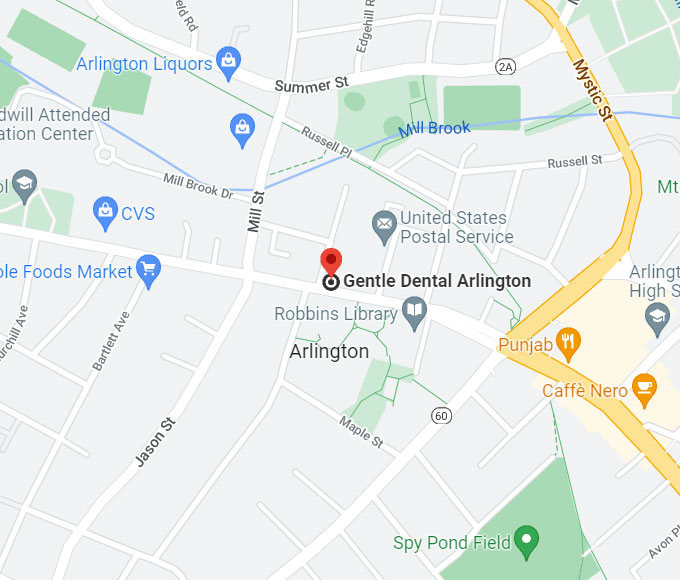
Metered, street-parking available. Can be accessed via MBTA bus, 67, 77, 79.
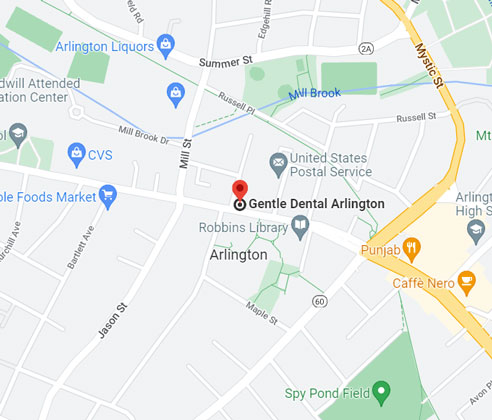
Metered, street-parking available. Can be accessed via MBTA bus, 67, 77, 79.
Arlington

Great Staff and technicians. The technician that took my bite wing X-rays was very caring, professional and helpful. The doctor provided expert counsel and advice on my dental health & care. Kayla, my hygienist did a terrific job in cleaning and caring for my teeth and gums. Likewise providing recommendations on dental care. Overall I was very pleased with overall experience at Gentle Dental of Arlington, MA🦷
Arlington
I'm very satisfied with all aspect of this location of Gentle Dental in Arlington from the attention and quickness at the front desk to the great dental work done from assistant and Doctor in the back I would recommend this place to all my family and friends. I got full dentures and my smile looks amazing now . thank you
Arlington
The desk staff, the hygienists, the assistants, and the providers, are so kind! Every single person in this office has treated me with so much care and patience. Highly recommend!
Plaque is a soft bacterial film that develops on the teeth. Regular brushing and cleaning between the teeth can remove much of it before it hardens.
Once plaque becomes tartar, it attaches firmly to the tooth surface. A dental professional must use appropriate instruments to remove it without damaging the teeth or gums.
Professional cleaning can reach tartar along the gumline, between teeth and around dental restorations. Removing these deposits gives patients a cleaner surface to maintain between appointments.
Plaque and tartar near the gumline can irritate the surrounding tissue. The gums may become red, swollen or more likely to bleed when the buildup remains.
A routine cleaning removes deposits that contribute to inflammation. The dental team can also identify areas where home care should be adjusted to improve plaque control.
A cleaning does not reverse every stage of gum disease. Patients with periodontitis may require scaling and root planing or ongoing periodontal maintenance.
Bacteria within dental plaque produce acids that can weaken tooth enamel. Removing accumulated plaque supports daily efforts to reduce the conditions that contribute to cavities.
Professional cleaning is only one part of cavity prevention. Fluoride toothpaste, cleaning between teeth, balanced eating habits and recommended dental examinations remain important.
Crowded teeth, orthodontic appliances, bridges, implants and limited hand movement can make certain surfaces harder to clean. Even patients who brush carefully may have recurring areas of buildup.
Your hygienist can identify these locations during an Arlington dental cleaning and recommend tools that fit your needs. These may include floss threaders, interdental brushes, water flossers or modified brushing techniques.
Polishing may reduce some external stains caused by foods, beverages or tobacco. It can also leave the cleaned surfaces feeling smoother.
A routine cleaning does not change the natural color of tooth enamel and is not the same as professional teeth whitening. Stains within the tooth or discoloration that does not respond to polishing may require a separate cosmetic evaluation.
Plaque, tartar and food debris can contribute to unpleasant breath. Removing buildup may help when these deposits are part of the cause.
Persistent bad breath can also relate to gum disease, dry mouth, tooth decay, infection or a medical condition. Tell the dental team when the concern continues despite brushing, flossing and professional care.
A routine cleaning, also called prophylaxis, is generally recommended for patients without active periodontal disease. It removes plaque, tartar and selected stains from the visible tooth surfaces and around the gumline.
This cleaning may be coordinated with a dental exam, digital X-rays or preventive treatment based on the patient’s needs. The dentist or hygienist will determine the recommended recall schedule after reviewing the teeth and gums.
Scaling and root planing is a deep-cleaning procedure used to treat gum disease. Scaling removes bacterial deposits above and below the gumline. Root planing smooths affected root surfaces to support healing and ongoing plaque control.
Treatment may be completed in sections of the mouth and local anesthesia may be used for comfort. Scaling and root planing is not interchangeable with a routine preventive cleaning.
Periodontal maintenance may be recommended after treatment for periodontitis. These visits focus on controlling bacterial buildup above and below the gumline and monitoring the condition of the supporting tissues.
The cleaning interval depends on periodontal findings, disease history, home care and other risk factors. Patients receiving periodontal maintenance may need visits more frequently than patients receiving routine preventive cleanings.
Extensive tartar can make it difficult to examine the teeth and gums completely. The dental team may need to remove substantial deposits before completing a full periodontal assessment.
The final cleaning plan will depend on the condition identified after the buildup has been addressed. Additional periodontal treatment may be recommended when deeper inflammation or supporting-bone changes are present.
The dental team examines the color, shape and condition of your gums. Measurements may be taken around the teeth to evaluate the spaces between the gums and tooth surfaces.
Bleeding, deeper periodontal pockets, gum recession and changes in tooth support can affect the type of cleaning recommended.
Your hygienist will evaluate where deposits have accumulated and whether they extend beneath the gumline. The amount, location and depth of the buildup help determine whether routine cleaning is appropriate.
Patients who have not received dental care for an extended period may require additional assessment before the cleaning plan is finalized.
Previous gum treatment, recurring cavities, tobacco use, dry mouth, diabetes and certain medications may influence oral health. Share relevant health changes so the team can account for them when planning care.
A patient’s cleaning schedule should reflect individual findings rather than automatically following the same interval for everyone.
Digital X-rays may be recommended when the dentist needs information that cannot be obtained through a visual examination. Images may help reveal cavities between teeth, changes in supporting bone or concerns around existing dental work.
X-rays are not required at every cleaning appointment. The dentist will consider your age, dental history, previous images and current findings.
Your appointment begins with a review of relevant health information. Tell the team about new medications, pregnancy, allergies, recent procedures or medical conditions that may affect your dental care.
You should also mention bleeding gums, sensitivity, discomfort, dry mouth or changes involving previous dental work. This information helps the hygienist focus on areas that may need additional attention.
The dental team will examine the teeth and gumline before beginning the cleaning. The assessment helps determine whether you need routine preventive care or a periodontal procedure.
When the gums show signs of active disease, the team may need to complete additional measurements or develop a separate treatment plan.
The hygienist uses hand instruments, powered instruments or a combination of both to remove buildup. The method depends on the amount and location of the deposits as well as your comfort and clinical needs.
You may hear scraping or water sounds during this part of the appointment. Tell the hygienist when a tooth or section of gum feels sensitive so the technique can be adjusted when possible.
After the hardened buildup has been removed, the hygienist may polish the teeth to remove selected surface stains and residual plaque. Polishing uses a dental paste and a rotating polishing cup or another appropriate instrument.
Certain teeth, restorations or sensitive areas may require a modified approach. The hygienist will select the method based on the surfaces being treated.
The hygienist may floss between your teeth and beneath the gumline to remove remaining debris. This step can also help identify areas where floss catches, dental contacts are tight or restorations require evaluation.
Patients with bridges, implants, braces or larger spaces may receive instructions for using specialized cleaning tools.
The dentist or hygienist will review the completed cleaning and explain any important findings. Recommendations may include changes to home care, fluoride treatment, dental sealants or treatment for a specific tooth or gum concern.
When additional treatment is needed, the team will explain the priority and help plan the appropriate follow-up appointment.
Brush and floss as you normally would before the appointment. You do not need to perform extra or aggressive cleaning immediately before the visit.
Bring an updated medication list and insurance information. New patients may also provide recent dental records or X-rays when available.
Prepare questions about bleeding gums, sensitivity, cleaning tools or areas that are difficult to maintain. Specific information helps the team provide more useful recommendations.
Tell the office when you have sensitive teeth, tender gums, a strong gag reflex or anxiety about dental treatment. The team can discuss ways to make the appointment more manageable.
Patients who have experienced discomfort during previous cleanings should explain which areas were affected and what approaches helped.
Most patients can eat normally before a routine cleaning. Brushing or rinsing after the meal may help you feel more comfortable during the visit.
Follow separate instructions when the cleaning is being coordinated with another procedure that has specific preparation requirements.
The gums may feel temporarily tender after tartar is removed, particularly when there was inflammation or substantial buildup. Mild bleeding can also occur when the gum tissue was already irritated.
Follow the instructions provided by your dental team. Contact the office when discomfort is severe, increases or does not improve as expected.
Some patients notice temporary sensitivity to cold, air or touch after a cleaning. Removing tartar can expose surfaces that were previously covered by deposits.
Use the oral care products recommended by your dentist. Persistent or localized sensitivity may require an examination to rule out decay, a crack, recession or another dental condition.
You can usually return to normal eating after a routine cleaning. Wait according to the dental team’s instructions when fluoride treatment or another preventive material was applied.
Choose foods that feel comfortable when your gums are temporarily tender. Avoid chewing very hard foods on an area that remains sensitive.
Resume brushing twice a day with fluoride toothpaste and clean between your teeth as recommended. Use gentle pressure near tender gum tissue rather than avoiding the area completely.
Follow any instructions for an electric toothbrush, floss threader, interdental brush or other recommended tool.
A routine cleaning removes plaque, tartar and selected surface stains from teeth when the gums are generally suitable for preventive care. It focuses on maintaining oral health and reducing future buildup.
A deep cleaning treats periodontal disease by removing deposits below the gumline and smoothing affected root surfaces. It may require local anesthesia and more than one treatment area or visit.
Patients who need deep cleaning should not substitute a routine cleaning because the procedures address different clinical conditions.
A dental exam is the dentist’s evaluation of the teeth, gums, bite and oral tissues. The dentist uses the findings to identify concerns and determine whether additional care is recommended.
Dental exams and cleanings in Arlington are often coordinated during a preventive visit, but they are separate services with different purposes.
Brush twice daily using fluoride toothpaste and a soft-bristled toothbrush unless your dentist recommends another approach. Direct the bristles toward the gumline and clean each surface without applying excessive pressure.
Replace the brush head when the bristles become worn or according to the product instructions.
A toothbrush cannot fully clean the contact areas between teeth. Use floss, interdental brushes, a water flosser or another method recommended by your dental team.
The most suitable tool depends on tooth spacing, restorations, orthodontic appliances and hand dexterity.
Restorations require daily plaque control even though their materials cannot develop cavities in the same way as natural enamel. The tooth beneath or beside a restoration can still decay and the surrounding gums can become inflamed.
Use bridge floss, threaders or implant-specific tools when recommended.
Your dentist will recommend a cleaning schedule based on your gum health, cavity history and other risk factors. Some patients do well with routine intervals, while others need closer periodontal monitoring.
Do not wait for pain before scheduling care. Plaque buildup and early gum changes may not cause noticeable discomfort.
Gentle Dental Arlington provides professional cleanings along with dental exams, digital X-rays, fluoride treatment, sealants and oral cancer screening. These services can be coordinated according to the patient’s preventive needs.
The office also provides pediatric dentistry, allowing children and adults to receive age-appropriate preventive care in the same practice.
The dental team evaluates the gums before determining which cleaning is appropriate. When periodontal concerns are identified, the Arlington office also provides gum treatment and can explain the next step.
This distinction helps ensure that a routine cleaning is not used in place of treatment for active gum disease.
Gentle Dental Arlington uses digital X-rays when imaging is clinically necessary. These images can help the dentist assess cavities, supporting bone and areas that cannot be fully examined visually.
Electronic patient charts allow the team to document cleaning history, periodontal findings and recommendations for future visits.
The Arlington office provides preventive, restorative, orthodontic and oral surgery services. When a cleaning or examination identifies a concern, the dental team can discuss the related service and coordinate follow-up care.
Outside referral may still be recommended when another provider or specialty is appropriate for the patient’s needs.
Professional cleaning needs can change with age, tooth development, orthodontic treatment, restorations and gum health. The Arlington team can adjust the cleaning approach and home-care guidance for children, teenagers, adults and older patients.
Each recommendation is based on the patient’s current findings rather than age alone.
Gentle Dental accepts most dental insurance plans, but benefits for routine cleanings, periodontal services, exams and X-rays vary.
The Arlington office can help review available benefits and discuss payment options. Patients should complete an examination for cleaning-specific recommendations and cost information.
Your cleaning appointment includes an opportunity to discuss recurring buildup, bleeding gums and areas that are difficult to reach. The hygienist can recommend techniques or tools that fit your oral health needs.
Consistent home care helps maintain the cleaned surfaces and supports healthier gums between professional visits.
Gentle Dental Arlington offers preventive, restorative, emergency, and specialty dental care to help patients protect their oral health and maintain a confident smile.
The appropriate schedule depends on your gum health, cavity risk, previous dental treatment and home care. Your dentist or hygienist will recommend an interval based on your examination findings.
A routine cleaning is preventive care for patients whose gums are generally healthy. Deep cleaning, also called scaling and root planing, treats gum disease by removing deposits from beneath the gumline and smoothing affected root surfaces.
Yes, but bleeding may indicate gum inflammation or periodontal disease. The Arlington dental team will evaluate your gums and determine which type of cleaning or treatment is appropriate.
Many patients experience little discomfort during a routine cleaning, but sensitive teeth, inflamed gums or heavy tartar buildup can make certain areas tender. Tell the hygienist about sensitivity so the approach can be adjusted when possible.
Yes. The Arlington office provides pediatric dentistry and preventive cleanings for children. The visit will be adapted to the child’s age, tooth development and oral health needs.
Insurance benefits vary by plan and by the type of cleaning provided. Gentle Dental Arlington accepts most dental insurance plans and can help review available benefits before treatment.
If your request is a dental emergency, or you would like to call and schedule your dental appointment, contact information for our offices can be found here: Gentle Dental Locations. New patient offer not valid for emergency appointments.

A professional teeth cleaning is essential for long-term health, offering benefi...

