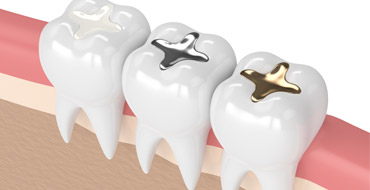
What Are Dental Fillings?
Dental fillings are restorative treatments used to repair teeth damaged by decay, fractures, or wear:
- Replace Decayed or Damaged Tooth Material: Fillings restore lost tooth structure.
- Restore Normal Function: You can eat, chew, and talk without discomfort after filling treatment.
- Prevent Further Decay: Fillings help to block bacteria from worsening the issue.
- Preserve Natural Tooth Structure: The goal is to remove as little of the original tooth as possible while repairing the damage.
Fillings are a reliable and commonly used solution for treating cavities and maintaining good oral health.
When Do You Need a Dental Filling?
Consider getting a dental filling if you notice any of the following symptoms:
- Sensitivity: Teeth that are sensitive to hot, cold, or sugary foods.
- Pain While Chewing: Experiencing discomfort or pain while eating.
- Visible Damage: Cracks, holes, or dark spots on your teeth.
- Frequent Food Trapping: Food getting stuck between teeth more often than usual.
- Cavity Detection: A cavity discovered during a routine dental check-up.
Early intervention with a filling can help avoid more complicated procedures down the line.
The Dental Filling Procedure at Gentle Dental in Attleboro
At Gentle Dental in Attleboro, we believe in providing an efficient, gentle, and comfortable dental filling experience. Our goal is to ensure you feel at ease throughout the process, while delivering long-lasting and reliable results. Here’s a detailed step-by-step guide on what to expect during your dental filling procedure:
Comprehensive Dental Examination
Your dental visit begins with a comprehensive examination where we assess the affected tooth. During this examination, the dentist will carefully examine the tooth and surrounding gum tissue to determine the extent of the decay or damage. We’ll also ask about any symptoms you may be experiencing, such as tooth sensitivity, pain while chewing, or discomfort.
The dentist may perform a visual inspection, feeling the tooth for any weak spots, and ask you questions regarding any discomfort you've been experiencing. Your input helps us understand your concerns and aids in accurate diagnosis. If the decay or damage is not immediately visible, additional diagnostic measures will be taken, such as digital X-rays.
Advanced Digital X-Rays for Accurate Diagnosis
If needed, digital X-rays will be taken to help us determine the exact location and extent of the decay. These X-rays provide a clearer view of the tooth and surrounding structures, showing us details that are invisible to the naked eye. The use of digital X-rays is quick, minimizes radiation exposure, and provides more accurate diagnostic information.
This advanced imaging helps us make informed decisions, ensuring that the dental filling is the right solution for you. By accurately assessing the decay, we can plan the procedure with precision, making sure to only remove the affected areas, preserving as much of the healthy tooth as possible.
Local Anesthesia for Comfort
To ensure a pain-free experience, local anesthesia is applied to numb the area around the affected tooth. This allows us to perform the procedure without causing you discomfort. The anesthetic works quickly, ensuring that you won’t feel any pain during the treatment. For patients who may feel anxious or prefer additional comfort, we offer sedation options that can help you relax further.
Our goal is to ensure you feel at ease throughout the entire procedure, from start to finish. We understand that dental procedures can cause anxiety, and we make sure to offer a gentle, reassuring approach.
Removal of Decayed Tooth Material
Once the area is numb, the dentist will carefully remove the decayed part of the tooth. Using precision instruments, we’ll gently clean out the cavity, removing any damaged or decayed material while preserving as much of the healthy tooth as possible.
This is done with great care to avoid causing further damage to the surrounding tooth structure. The goal is to leave the healthy, intact portions of the tooth while creating a clean, stable surface for the filling to bond to.
Placement and Shaping of the Filling
After the decay has been removed, we will place the filling material into the cavity. There are several types of materials that can be used for fillings, including tooth-colored composite fillings, amalgam, and others. The material is carefully placed and molded to fit the natural contours of the tooth.
The dentist will use special tools to shape the filling so that it fits perfectly into the cavity, restoring the tooth's original form and function. We make sure the filling is properly aligned with your bite, ensuring that you won’t experience any discomfort or difficulty when chewing.
Polishing and Adjusting the Filling
Once the filling is placed and shaped, the final step is polishing and adjusting the filling to ensure it fits comfortably in your mouth. The dentist will carefully examine your bite, making sure that your new filling doesn’t interfere with normal chewing or cause any discomfort.
The filling will be polished to provide a smooth, natural finish that mimics the appearance of your natural tooth. This helps prevent any irritation to your gums and ensures that the tooth feels comfortable when you bite down. After the adjustment, you should be able to resume normal activities without feeling any discomfort.
Additional Tips and Information
- Recovery Time: In most cases, you can continue with your daily activities immediately after the procedure. However, it is normal to experience slight sensitivity to hot or cold foods for a few days following the filling placement.
- Long-Term Care: With proper aftercare and routine dental visits, your filling can last for many years, helping to protect your tooth from further decay.
At Gentle Dental in Attleboro, we aim to make every step of the dental filling process as comfortable and straightforward as possible. If you have any questions or concerns about the procedure, our friendly team is here to guide you every step of the way.
Types of Dental Fillings We Offer
We offer different filling materials based on tooth location, durability needs, and patient preference.
Composite (Tooth-Colored) Fillings
- Blend naturally with your existing teeth
- Ideal for visible teeth
- Bond directly to the tooth for added strength
- Popular for both front and back teeth
Amalgam Fillings
- Extremely durable and long-lasting
- Often used for molars and back teeth
- Effective for areas with heavy chewing pressure
Temporary Fillings
- Used when additional treatment is needed
- Common for emergency visits or between procedures
- Short-term solution until a permanent filling is placed
Your dentist will recommend the best option based on your dental needs.
Aftercare for Dental Fillings
Taking care of your new filling is essential for its longevity and comfort. By following these aftercare tips, you can ensure that your filling remains in good condition and continues to function well:
Avoid Chewing Until Numbness Wears Off
After the procedure, your mouth will be numb due to the local anesthesia. To prevent accidentally injuring your cheek, lip, or tongue, it's crucial to wait until the numbness has fully worn off before eating. If you chew too soon, you may accidentally bite your soft tissues, which can lead to painful sores or cuts. Always take extra care to avoid any movement in the treated area during this time.
Stick to Soft Foods Initially
After the dental filling procedure, it’s a good idea to stick to soft foods for the first day or two. Soft foods such as yogurt, soup, mashed potatoes, and smoothies are ideal during this period. These foods won’t put extra pressure on your filling and will prevent irritation. Avoid foods that are too hot or cold initially, as your tooth may still be sensitive.
Brush and Floss Gently
Maintaining proper oral hygiene is crucial for the longevity of your filling and your overall oral health. However, after a filling, it’s essential to be gentle when brushing and flossing around the treated area for the first few days. Using a soft-bristled toothbrush and flossing carefully around the filling will help avoid irritation and ensure that your teeth remain clean without causing damage to the filling.
Avoid Hard or Sticky Foods
For the first few days following the procedure, try to avoid chewing on hard foods, ice, or sticky items like gum. Hard foods can put pressure on the filling, causing it to crack or wear down prematurely. Sticky foods may get stuck in the filled area, making it harder to clean and potentially leading to more tooth decay. Allow the filling to settle and bond properly before introducing more challenging foods.
Monitor for Sensitivity or Discomfort
It’s normal to experience slight sensitivity to temperature or pressure after a filling. However, if you feel that the sensitivity persists, worsens, or becomes painful when chewing or biting down, contact your dentist immediately. Sensitivity can sometimes indicate that the filling needs to be adjusted or that there may be an underlying issue that requires attention.
Regular Dental Checkups
Even after you’ve had your filling, regular dental checkups are essential for maintaining optimal oral health. During routine visits, your dentist will examine your fillings and overall dental health to ensure everything is functioning as it should. Early detection of wear or damage allows for timely interventions, helping to extend the life of your fillings and preserve your oral health.
By following these aftercare instructions, you can ensure that your new filling lasts as long as possible, stays comfortable, and continues to protect your tooth from further decay or damage. If you have any concerns or experience unusual symptoms, don’t hesitate to reach out to your dentist for guidance.
Why Choose Gentle Dental in Attleboro?
Patients choose Gentle Dental in Attleboro because we combine clinical expertise with a strong focus on comfort, transparency, and long-term oral health.
Experienced Dental Professionals
Our dental team brings extensive experience in preventive and restorative dentistry. Each treatment is carefully planned to ensure accurate diagnosis, effective care, and consistent results. We take time to explain procedures clearly so patients feel informed and confident about their treatment decisions.
Modern Dental Technology
We use advanced dental technology to improve accuracy, comfort, and efficiency. Digital imaging and modern tools allow for precise cavity detection, minimally invasive treatment, and faster procedures, helping deliver dependable outcomes while enhancing patient comfort.
Comfortable and Welcoming Environment
Our office is designed to create a calm, stress-free experience. From friendly staff to a clean and relaxed setting, we aim to help patients feel at ease from the moment they arrive. We understand dental anxiety and take a gentle, reassuring approach to care.
Focus on Preventive and Restorative Care
We emphasize prevention to help patients maintain healthy teeth and gums, while also offering reliable restorative treatments when issues arise. Our goal is to treat problems early and preserve natural tooth structure whenever possible, supporting long-term oral health.
Patient-First Approach
Every patient receives personalized attention based on their needs, comfort level, and oral health goals. We listen carefully, answer questions honestly, and recommend treatments that align with both dental health and personal preferences.
Commitment to Your Comfort and Long-Term Oral Health
Your comfort is a priority at every visit. We focus on providing gentle care that supports lasting oral health, helping you maintain a healthy, confident smile for years to come.
Dental Insurance and Payment Options
Gentle Dental in Attleboro works with many dental insurance plans. - Most insurance plans cover dental fillings - Our team helps explain coverage and out-of-pocket costs - Flexible payment options are available - Transparent pricing and treatment planning We make dental care accessible and easy to understand.