New Patient Offer
$79
A $400+ Value
- Exam
- X-rays
- Cleaning
- Treatment Plan


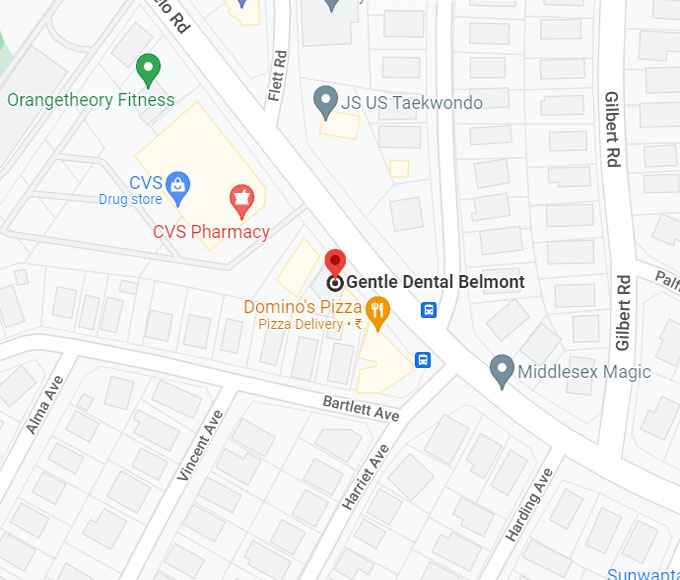
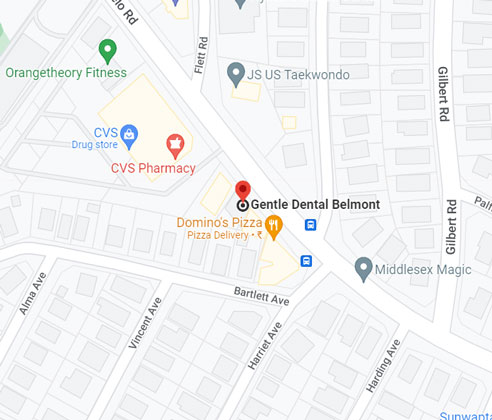
Street parking available. Accessible from MBTA bus 73.
Street parking available. Accessible from MBTA bus 73.
Belmont

My kids and I have been coming here for 3 years. I tried 2 other dentists before my son could tolerate coming here for cleanings and check ups. Valerie is great; I met Kristen today and she was great. Most of interactions with the front staff have been great, too. I recommend Gentle Dental in Belmont!
Belmont
I had my root canal done by Dr. Lilia Cucerov and I can not thank her enough. I deal with very chronic and painful mouth ulcers when there is any abrasion to my mouth. I let her know my concerns and fears before the procedure and she took so much care in avoiding as much trauma to my mouth as possible. She was very patient and kind, and completely unlike any dentist I have ever seen. Thank you so much Dr. Cucerov for the wonderful care! I can not recommend her enough!
Belmont
I have had a very good experiences with Dr Lilia Cucerov and her team today! The appointment was on time and took as much as needed. All my questions were answered. Thank you all for doing your job professionally, kindly, and pleasantly! The prices are the best!
The temporomandibular joints are located in front of each ear and connect the lower jaw to the skull. Problems involving these joints or the muscles that control jaw movement are generally referred to as temporomandibular disorders, or TMD.
Symptoms can vary considerably from one person to another.
Pain may occur directly around the jaw joint or in the muscles used for chewing. Some people notice discomfort mainly while eating, speaking, yawning, or opening their mouth widely.
Your jaw may click or pop when you open or close your mouth. Joint sounds without pain do not always require treatment, but clicking accompanied by pain, stiffness, locking, or difficulty moving your jaw should be evaluated.
TMD symptoms are not always limited to the jaw itself. Some patients experience facial discomfort, headaches, or aching near the ears along with jaw pain.
Because these symptoms can have causes unrelated to the temporomandibular joint, a proper evaluation is important before beginning treatment.
There is not always one identifiable cause of TMD. Your dentist will consider your symptoms, habits, dental history, and other factors that may be affecting your jaw.
Grinding or clenching your teeth can place additional stress on the jaw muscles and may contribute to discomfort in some patients.
You may not realize that you grind your teeth while sleeping. Morning jaw soreness, worn tooth surfaces, headaches, or tooth sensitivity may provide clues that nighttime grinding is occurring.
An injury involving the jaw, face, or joint can contribute to TMD symptoms. Conditions affecting the joint itself may also cause pain or changes in jaw movement.
Some people tighten their jaw or clench their teeth more frequently when they are stressed. Identifying these habits may be an important part of managing symptoms.
Effective TMJ treatment Belmont patients receive should begin with determining what may be causing the symptoms rather than treating every case the same way.
Your dentist may ask where you feel discomfort, when it occurs, how long it has been present, and whether certain activities make it better or worse.
It is also helpful to mention related symptoms such as headaches, facial pain, teeth grinding, jaw locking, or changes in how your teeth come together.
The dental examination may include checking how far your mouth opens, observing your jaw movement, and examining the jaw joints and surrounding muscles for tenderness.
Your dentist may also listen or feel for clicking or popping as the jaw moves.
Imaging may be recommended when additional information about the teeth, jaw, or supporting structures is needed.
Gentle Dental in Belmont uses all-digital X-rays as part of its diagnostic technology. In some situations, more specialized imaging may be recommended depending on the suspected cause of the symptoms.
There is no single treatment that is appropriate for every TMD patient. Many jaw problems are initially managed with conservative approaches rather than invasive treatment.
Depending on your condition, your dentist may recommend temporarily choosing softer foods, reducing gum chewing, avoiding excessive jaw movements, or becoming more aware of clenching habits.
Heat or cold and gentle jaw exercises may also be discussed depending on your symptoms.
If teeth grinding or clenching is contributing to your symptoms, your dentist may discuss whether a dental appliance is appropriate.
A night guard or splint fits over the teeth and may help protect them from the effects of grinding. Whether an appliance is appropriate for TMJ symptoms depends on the source of the discomfort, so an evaluation should come before treatment.
Persistent or more complex TMD symptoms sometimes require care beyond initial dental management. Depending on the diagnosis, additional treatment may involve physical therapy, medication prescribed by an appropriate healthcare professional, or referral to a provider with additional expertise in jaw disorders.
Surgical treatment is generally considered only for selected cases when significant joint problems remain after more conservative approaches have been considered.
Not necessarily.
Clicking or popping sounds are common and may occur without pain or limitation of movement. A painless joint sound alone does not automatically mean that treatment is required.
Schedule an evaluation if the clicking occurs along with:
The combination of symptoms provides more useful information than the sound alone.
If you are experiencing temporary jaw discomfort, simple changes may help reduce unnecessary strain while you wait for your evaluation.
You may be advised to:
Persistent pain, restricted movement, or worsening symptoms should be professionally evaluated rather than managed only at home.
Jaw pain can overlap with dental, muscular, and joint-related problems, making a careful evaluation important before choosing treatment.
Gentle Dental in Belmont provides comprehensive dental care supported by digital diagnostic technology, allowing the dental team to examine your teeth, bite, jaw symptoms, and overall oral health when determining appropriate next steps.
The Belmont office is located at 250 Trapelo Road and provides general and specialty dental care in one location.
Schedule an evaluation with Gentle Dental in Belmont if jaw discomfort, clicking, stiffness, or difficulty chewing is affecting your daily life.
As a team of trusted dentists in Belmont, MA, we provide preventive care, restorative treatments, orthodontics, cosmetic dentistry, and emergency services in one convenient location. From routine cleanings to more advanced procedures, you can receive most of your care without needing an outside referral.
TMD can sometimes be associated with headaches, facial discomfort, and aching around the ear area. Because headaches and ear pain can have many different causes, persistent symptoms should be evaluated rather than automatically attributed to the jaw joint.
No. Jaw clicking or popping without pain is common and does not necessarily require treatment. Clicking accompanied by pain, locking, stiffness, or difficulty moving the jaw is more important to have evaluated.
Teeth grinding and jaw clenching can place additional strain on the chewing muscles and jaw joints and may contribute to TMD symptoms in some people. Your dentist can look for signs of grinding and evaluate whether it may be related to your discomfort.
A night guard may be helpful when jaw discomfort is associated with teeth grinding or clenching, but it is not appropriate for every cause of TMD. Your dentist should evaluate the source of the symptoms before recommending an oral appliance.
Some TMD symptoms can improve with time and conservative care. However, persistent pain, jaw locking, restricted movement, or symptoms that interfere with eating or everyday activities should be evaluated.
There is no single test used for every patient. Diagnosis generally involves discussing your symptoms and medical history, examining jaw movement and tenderness, and determining whether imaging or further evaluation is needed.
The timeline varies depending on the cause and severity of the symptoms and the treatment recommended. Some patients may improve with conservative measures, while persistent or complex conditions can require longer-term management.
Most patients do not begin with surgery. Conservative and reversible treatment approaches are generally considered first. Surgical procedures are reserved for selected cases involving significant joint problems that have not responded adequately to less invasive care.
Coverage varies depending on your insurance plan, diagnosis, and the type of treatment recommended. Some services may fall under dental coverage, while others may involve medical benefits. The office can help you review available coverage before treatment.
If your request is a dental emergency, or you would like to call and schedule your dental appointment, contact information for our offices can be found here: Gentle Dental Locations. New patient offer not valid for emergency appointments.
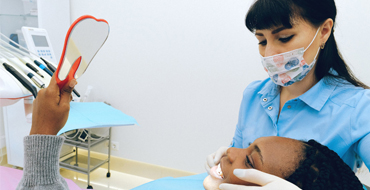
It’s a good thing we can open and close our mouths so that we can do the things ...

