How Do Teeth Braces Work?
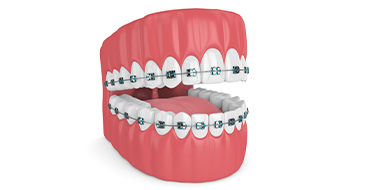
Braces work by applying controlled pressure to your teeth, gradually moving them into better alignment. The system uses brackets, wires, and bands to shift teeth gently. The brackets are bonded to each tooth, and the archwire connects them, applying continuous force. Over time, this pressure moves your teeth into the desired positions. As your teeth shift, the bone surrounding them changes to support the new alignment, leading to a straighter, healthier smile.
Types of Braces Available
Metal Braces
Traditional metal braces are the most commonly used type, offering effective treatment for a wide range of dental issues. Made of high-grade stainless steel, these braces are durable and reliable. They consist of brackets that are attached to your teeth, connected by an archwire that applies consistent pressure to move teeth over time.
Ceramic Braces
Ceramic braces are similar to metal braces but are made from clear or tooth-colored materials. They are less visible than metal braces, making them a great option for those seeking a more discreet treatment. However, they can be more fragile and prone to staining, so care must be taken during treatment.
Lingual Braces
Lingual braces are placed on the back side of your teeth, making them nearly invisible. They work the same way as traditional metal braces but are hidden from view. Although discreet, they can be more difficult to clean and may cause more initial discomfort than braces placed on the front of the teeth.
Self-Ligating Braces
Self-ligating braces use a special clip instead of elastic bands to hold the archwire in place. This reduces friction and can shorten treatment time. The clips also make them easier to clean and maintain, as there are fewer components that trap food and plaque.
Clear Aligners (Invisalign)
Clear aligners like Invisalign are a modern alternative to traditional braces. These custom-made, clear trays fit over your teeth and gradually move them into position. Aligners are removable, allowing you to eat and brush your teeth without restrictions. They are ideal for patients with mild to moderate alignment issues who prefer a more aesthetic treatment option.
Braces Treatment Process
Duration of Treatment
The duration of treatment varies depending on the severity of your orthodontic issue. For mild cases, treatment can take as little as 18 months. However, more complex issues may require 2-3 years. Regular check-ups are essential to ensure that the braces are working as expected and to make adjustments when necessary.
Initial Consultation and Assessment
Your journey to a beautiful smile begins with a consultation at Gentle Dental. During this visit, we will assess your dental health, discuss your goals, and determine the most suitable treatment option. This may include digital X-rays and impressions of your teeth, which help us create a custom treatment plan tailored to your needs.
Customizing Your Treatment Plan
Once we’ve assessed your needs, we’ll design a personalized treatment plan for you. This will involve choosing the best type of braces or aligners for your case and determining the expected treatment timeline. The plan will also include details about follow-up appointments and how often we’ll monitor your progress.
Risks and Benefits of Braces
Advantages of Getting Braces
Braces offer significant benefits beyond just straightening your teeth. They improve the overall appearance of your smile, boost self-confidence, and address bite issues such as overbites, underbites, and misalignment. In the long run, braces can improve your oral health by making it easier to clean your teeth, reducing the risk of tooth decay, gum disease, and other dental problems.
Common Side Effects and Risks
While braces are generally safe, there are some side effects to be aware of. These include discomfort, especially right after getting braces or after adjustments. The brackets and wires may also irritate your gums, but these issues can usually be managed with orthodontic wax and regular visits to the dentist. Additionally, braces can make it more difficult to maintain good oral hygiene, so diligent brushing and flossing are essential to avoid cavities and gum disease.
Post-Treatment Care and Maintenance
Caring for Your Braces
Maintaining excellent oral hygiene is crucial during your treatment. Brush your teeth at least twice a day with fluoride toothpaste and floss daily using specialized orthodontic floss or a floss threader to clean between the braces. We also recommend using mouthwash to help reduce plaque buildup and keep your mouth fresh.
Foods to Avoid
Certain foods can damage your braces or cause discomfort during treatment. Avoid sticky or chewy foods like gum, caramel, and taffy, as they can get stuck in your braces. Hard foods, such as popcorn, nuts, and ice, should also be avoided to prevent damaging the brackets or wires. Always cut larger foods, like apples or carrots, into smaller pieces to avoid unnecessary pressure on your braces.
Retainers and Maintaining Results
After your braces are removed, wearing a retainer is essential to keep your teeth in their new position. Retainers prevent your teeth from shifting back to their original alignment. Your orthodontist will provide you with instructions on how often to wear your retainer and for how long to ensure the long-term success of your treatment.