New Patient Offer
$79
A $400+ Value
- Exam
- X-rays
- Cleaning
- Treatment Plan


Straight teeth are a hot commodity! Orthodontics, a specialty of dentistry, can help you achieve straight teeth and an ideal bite, along with many more benefits. Braces are among the most common orthodontic treatments and can gradually move teeth into their ideal positions.
Braces are an orthodontic treatment that gradually moves teeth and jaws into better alignment. They can improve appearance, make brushing and flossing easier, and help correct bite problems that affect chewing and jaw comfort.
Orthodontic treatment is individualized based on age, bite, tooth position, and treatment goals, so the “best” option depends on the specific problem being corrected.
Yes. Braces can improve oral health by making teeth easier to clean, reducing plaque traps, and supporting a healthier bite over time. That matters because 42% of U.S. adults aged 30 and older have some form of periodontitis, according to the CDC.
Braces not only straighten your teeth but can also improve your overall health. As your teeth align properly with orthodontic treatment, brushing and flossing become easier, reducing your risk of tooth decay and gum disease. In addition, as your bite improves, pressure during normal function can be distributed more evenly across the teeth, which helps relieve strain on the jaws and facial muscles and decreases the risk of tooth fracture.
Straighter teeth are also associated with better periodontal outcomes in observational dental research, especially when alignment reduces food trapping and areas that are difficult to clean (Alsulaiman et al., American Journal of Orthodontics and Dentofacial Orthopedics, 2018).
Explore Gentle Dental offices to find a convenient location where you can discuss braces, tooth alignment, and options for improving your smile and bite.
Braces work by applying gentle, continuous pressure through brackets, archwires, and elastics or ligatures. Over time, that pressure guides teeth through the bone into better alignment, which is why treatment is usually measured in months rather than days.
Most likely, you've heard about gum disease and are trying to avoid it at all costs. A great long-term benefit of braces is lowering the risk of developing gum disease. Gum disease is characterized by inflammation commonly caused by poor oral habits that lead to bacterial plaque build-up on the teeth.
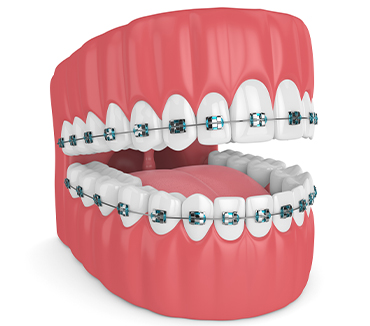
Misaligned teeth are more likely to retain bacterial plaque and food debris, which, over time, can lead to gum disease and a whole host of other health issues. Braces can help straighten your teeth and make tooth brushing and flossing much easier and effective.
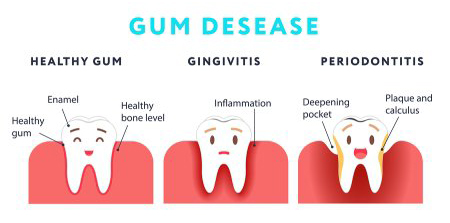
Misaligned teeth are more likely to retain bacterial plaque and food debris, which left over time can result in gum disease and a whole host of other health issues. Braces can help straighten your teeth and make tooth brushing and flossing much easier and effective.
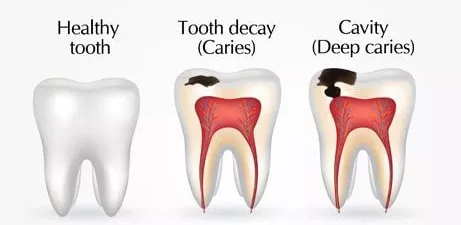
Braces can also lower your risk of developing cavities. Cavities, also known as tooth decay, form when oral bacteria feed off the sugars we consume and, in turn, produce harmful acids that break down our tooth enamel. When teeth overlap or are misaligned, bacteria are more likely to remain in hard-to-reach areas on your teeth, making it more challenging to clean, brush, and floss.
Teeth are not only present to make your smile look better, but also to help you chew the foods you love. Misaligned teeth and improper bites can make it challenging to digest food and consequently lead to intestinal irritation and other issues. Braces can help you achieve a proper bite and help improve your digestion.
An improper bite can lead to ineffective chewing, jaw stress, fractured teeth, and many other dental problems. Braces can help position your teeth in their ideal positions to keep your teeth functioning properly.
Teeth that are not properly aligned can cause the bone surrounding them to deteriorate. This is often a result of harmful oral bacteria associated with gum disease and excessive force on the teeth. Braces can help prevent bone erosion by moving the teeth into their correct positions.
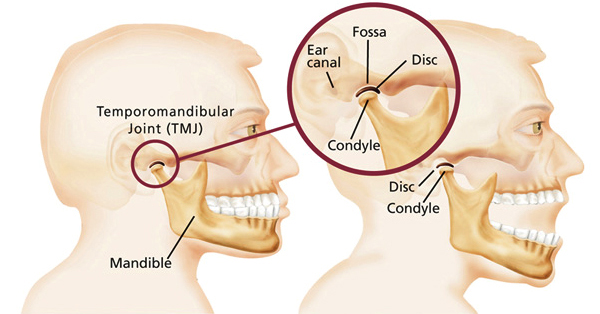
Improper bites can cause stress on the jaws and lead to temporomandibular joint disorders (TMD). Fixing your bite with braces may help reduce this stress and alleviate symptoms of jaw pain.
Your self-esteem can greatly improve with the help of braces. Perfecting your smile with braces can help you gain confidence and achieve your dreams.
Braces may also improve speech in some cases when crowded teeth or bite problems affect how the tongue and lips form sounds. In addition, better alignment can reduce uneven tooth wear, which may help protect teeth from long-term enamel damage, according to the American Association of Orthodontists.
| Common issues braces can help correct | Why it matters |
|---|---|
| Crowding | Teeth overlap, making cleaning harder |
| Spacing | Gaps may affect bite balance and appearance |
| Overbite or underbite | Can interfere with chewing and jaw function |
| Crossbite or open bite | May contribute to uneven wear and speech issues |
A consultation with an orthodontist usually includes an exam, X-rays or digital scans, and a treatment plan discussion. The orthodontist may recommend traditional metal braces, ceramic braces, lingual braces, or clear aligners such as Invisalign, depending on visibility preferences and how complex the case is.
Orthodontic treatment can improve the way teeth fit together, which not only supports better chewing and jaw function but also helps patients maintain better oral hygiene and long-term dental health, according to the American Association of Orthodontists.

Braces can have a huge impact on your health and smile. It is clear that the benefits of braces are plentiful. If you’re interested in transforming your smile and think braces might be a great option for you, speak to your dental professionals to learn more.
Braces can do more than straighten teeth. Schedule an appointment with Gentle Dental to discuss your bite, alignment, and orthodontic treatment options.
Braces are orthodontic appliances used to straighten teeth and help correct bite problems. Orthodontics is the dental specialty focused on diagnosing, preventing, and correcting misaligned teeth and jaws. Braces work by applying controlled pressure over time, which gradually moves teeth into better alignment.
Braces work by using brackets, archwires, and elastics or ligatures to apply gentle, continuous pressure to the teeth. That pressure slowly shifts teeth through the bone into a more aligned position. Treatment is adjusted over time, and the process depends on the type of braces and the complexity of the bite issue.
Braces can help correct crowding, spacing, overbite, underbite, crossbite, open bite, and rotated or tilted teeth. They are also used to improve the way the upper and lower teeth meet when biting and chewing. Orthodontic treatment is individualized, so the exact goals depend on the patient’s alignment and jaw relationship.
Yes, braces can improve oral health by making teeth easier to clean once alignment is corrected. Straighter teeth can reduce areas where plaque and food debris collect, which may support healthier gums over time.
Braces can improve speech in some cases when tooth position or bite alignment affects articulation. Not every speech issue is caused by dental misalignment, so the benefit depends on the underlying problem. If speech concerns are present, an orthodontist and, in some cases, a speech-language professional may both be involved in evaluation.
No, braces can be used for children, teens, and adults. Orthodontic treatment is common across age groups because teeth can shift throughout life, and bite problems can remain untreated for years. The American Association of Orthodontists reports that 1 in 3 orthodontic patients today is an adult, reflecting the broad use of treatment beyond adolescence.

Searching for teeth whitening products that actually work? Your dentist is the…

For many, cost can make it challenging to complete necessary dental treatment.…
Understanding how oral health affects overall health can help you protect your…
49 Convenient Locations throughout Massachusetts and New Hampshire