Types of Braces Available
The right orthodontic treatment depends on your age, dental alignment, bite, oral health, and personal preferences. Your orthodontist will explain which options can effectively address your needs.
Traditional Metal Braces
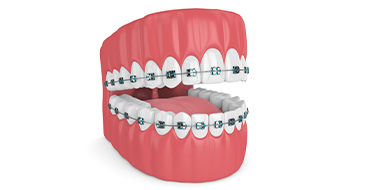
Traditional braces use metal brackets attached to the teeth and connected by an orthodontic wire. The orthodontist adjusts the wire periodically to guide the teeth into their planned positions.
Metal braces can address a wide range of alignment and bite concerns. They may be recommended for children, teenagers, and adults who need precise and predictable tooth movement.
Clear or Ceramic Braces
Clear braces work similarly to traditional metal braces but use ceramic or tooth-colored brackets. Their less noticeable appearance may make them appealing to older teenagers and adults.
Clear braces can treat many of the same concerns as metal braces. However, their suitability and availability depend on the patient’s orthodontic needs and treatment plan.
Clear Aligners
Clear aligners, including Invisalign treatment, provide a removable alternative to fixed braces for qualifying patients. The aligners fit over the teeth and are replaced periodically as treatment progresses.
Patients can remove their aligners when eating, brushing, and flossing. However, clear aligners must be worn for the recommended number of hours each day to keep treatment progressing.
Gentle Dental offers Invisalign clear aligners in addition to traditional orthodontic treatment. An evaluation is needed to determine whether braces or clear aligners are more appropriate for your specific alignment concerns.
Signs Your Child May Need Braces
Consider scheduling an orthodontic evaluation if your child has:
- Crowded or overlapping teeth
- Early or delayed loss of baby teeth
- Permanent teeth erupting in unusual positions
- Difficulty biting or chewing
- Upper and lower teeth that do not meet properly
- Protruding front teeth
- Large gaps between teeth
- Persistent thumb or finger sucking
- Mouth breathing
- Frequent biting of the cheek or roof of the mouth
- A jaw that shifts, protrudes, or appears uneven
- Concerns identified during a routine dental examination
Some orthodontic problems are easier to manage when identified while a child’s teeth and jaws are still developing. Our orthodontist will explain whether treatment is necessary and when it should begin.
Braces for Teenagers
The teenage years are a common time to begin braces because most permanent teeth have usually erupted, while the jaw may still be developing.
Braces for teenagers may be used to correct:
- Crowding
- Crooked teeth
- Gaps
- Overbites
- Underbites
- Crossbites
- Open bites
- Teeth that have erupted outside their expected positions
Teenagers may have several treatment options depending on their orthodontic needs, including traditional braces, clear braces, or clear aligners.
Our team helps teenagers understand how to care for their braces, which foods to avoid, and what to expect during adjustment appointments.
Braces for Adults
Braces are not limited to children and teenagers. Adults may seek orthodontic treatment for teeth that were never treated earlier, bite concerns, or teeth that have shifted since previous treatment.
Adults may be candidates for braces if their teeth and gums are healthy enough to support orthodontic movement. Before treatment begins, cavities, gum disease, or other oral health concerns may need to be addressed.
Depending on your needs, adult orthodontic treatment may involve:
- Traditional metal braces
- Clear or ceramic braces
- Invisalign clear aligners
- Retreatment following previous braces
- Retainers to correct or prevent minor shifting
Your orthodontist will recommend an option based on the complexity of your alignment concerns, your oral health, and your treatment preferences.
What to Expect at Your Braces Consultation
Your initial consultation allows the orthodontist to understand your concerns and evaluate your teeth, bite, and jaw alignment.
Your appointment may include:
- A review of your dental and medical history
- An examination of your teeth and gums
- An assessment of your bite
- Digital dental X-rays
- Photographs or digital scans of your teeth
- A discussion of your orthodontic goals
- An explanation of recommended treatment options
- An estimated treatment timeline
- Information about insurance and payment options
After reviewing the findings, the orthodontist will explain whether braces are recommended and which type may be appropriate.
The Braces Treatment Process
Every treatment plan is different, but the braces process generally involves several stages.
Preparing for Braces
Before braces are placed, your teeth and gums should be healthy. The dentist may recommend completing cleanings, fillings, or other necessary dental treatment first.
Diagnostic records, including X-rays and digital scans, may be used to create a personalized orthodontic plan.
Placing the Braces
During the placement appointment, brackets are attached to the teeth and connected with an orthodontic wire. The process does not normally require injections or drilling into the teeth.
Your orthodontic team will explain how to clean around the brackets and what foods to avoid.
Adjustment Appointments
You will return for periodic appointments so the orthodontist can adjust the braces, monitor tooth movement, and make changes to the treatment plan when necessary.
Your teeth may feel tender for a few days following an adjustment. This temporary discomfort usually improves as your mouth adapts.
Removing the Braces
Once the teeth have reached their planned positions, the orthodontist will remove the brackets and clean the tooth surfaces.
You will usually receive a retainer to help maintain the corrected alignment.
How Long Do Braces Take?
The length of treatment depends on several factors, including:
- The severity of the alignment concern
- The type of bite problem
- The amount of tooth movement required
- The patient’s age
- The type of orthodontic appliance
- Attendance at scheduled appointments
- Care of the braces
- Following the orthodontist’s instructions
Some patients have relatively minor alignment concerns, while others require more extensive treatment. Your orthodontist will provide an estimated timeline after completing your examination and diagnostic records.
Caring for Your Teeth With Braces
Brackets and wires can create additional spaces where food particles and plaque collect. Consistent oral hygiene helps prevent cavities, enamel discoloration, and gum irritation during treatment.
Patients with braces should:
- Brush carefully around every bracket and wire
- Brush after meals when possible
- Floss between the teeth every day
- Use floss threaders or orthodontic flossing tools when recommended
- Continue routine dental exams and professional cleanings
- Follow instructions for fluoride products
- Avoid chewing ice, pens, and other hard objects
- Contact the office if a bracket or wire breaks
Orthodontic appointments do not replace routine dental visits. Your general dentist will continue monitoring the health of your teeth and gums throughout treatment.
Foods to Avoid With Braces
Hard, sticky, and chewy foods can bend wires or loosen brackets. Avoid or limit:
- Chewing gum
- Caramel and sticky candy
- Hard candy
- Popcorn kernels
- Ice
- Nuts
- Hard pretzels
- Crunchy chips
- Chewy bread or bagels
- Biting directly into whole apples or raw carrots
- Chewing on pens or pencils
Firm fruits and vegetables can often still be enjoyed when cut into small, bite-sized pieces.
What Should You Do If a Bracket or Wire Breaks?
A loose bracket or broken wire does not always require an emergency visit, but you should contact the orthodontic office for instructions.
Until your appointment:
- Avoid pulling or bending the wire
- Use orthodontic wax to cover a sharp area
- Avoid hard or sticky foods
- Do not remove a bracket that remains attached to the wire
- Contact the office if the wire is causing pain or injury
Seek immediate medical attention if an orthodontic component causes difficulty breathing or swallowing.
Retainers After Braces
Teeth can shift after braces are removed. A retainer helps hold them in their corrected positions while the surrounding bone and tissues stabilize.
Retainers may be removable or attached behind the teeth. Your orthodontist will explain:
- Which type of retainer you need
- How many hours each day to wear it
- How to clean and store it
- How long retention will be necessary
- When to return for follow-up appointments
Wearing your retainer as directed is an important part of preserving your orthodontic results.
Why Choose Gentle Dental for Braces in Brockton?
Gentle Dental Brockton provides general, specialty, and orthodontic services in one convenient location. The Brockton office offers traditional braces and clear aligner treatment, with access to an orthodontist who can create and oversee your personalized treatment plan.
Patients choose our Brockton office for:
- Braces for children, teenagers, and adults
- Personalized orthodontic treatment plans
- Traditional braces and clear aligner options
- Care from an orthodontic specialist
- General and specialty dentistry under one roof
- Digital dental imaging
- Clear explanations throughout treatment
- Convenient weekday and select Saturday appointments
- Assistance in understanding insurance benefits
- Flexible payment options
- A welcoming, family-friendly environment