New Patient Offer
$79
A $400+ Value
- Exam
- X-rays
- Cleaning
- Treatment Plan


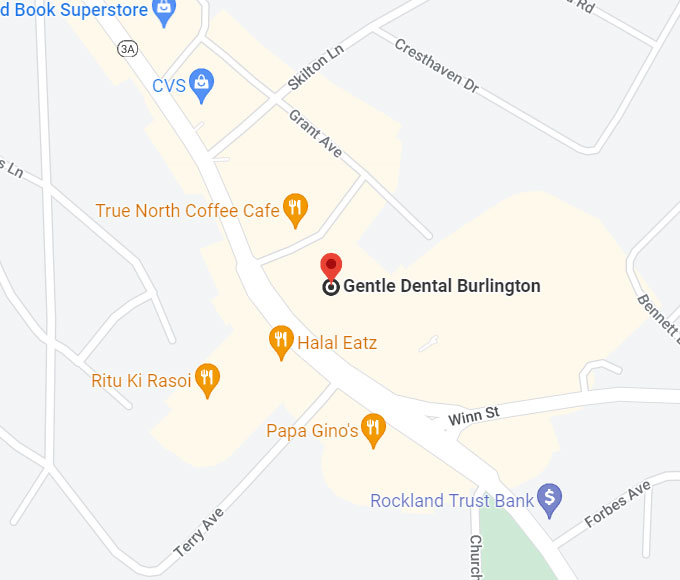
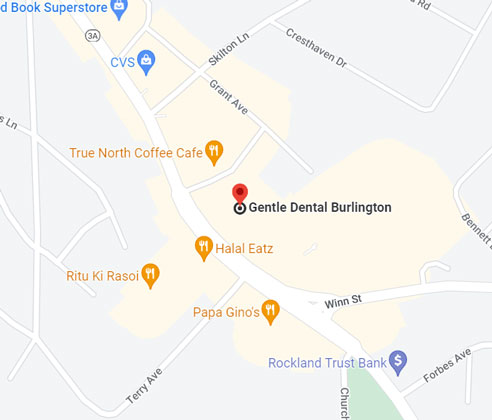
Parking spaces available in front of building. Parking lot on-premise.
Now welcoming patients from Gentle Dental Woburn.
Parking spaces available in front of building. Parking lot on-premise.
Now welcoming patients from Gentle Dental Woburn.
Burlington

I had two emergency visits in a week and they took me right away ! They are were all very friendly and kind ! I would highly recommend going to Burlington gentle dental!
Burlington
Very highly skilled practitioners attend to you at this office. They gave me a new perspective of my dental health, with lots of courtesy too. The customer service is excellent. I recommend them to anyone who seriously cares about good dental health.
Burlington
Extracted my broken tooth. Did the procedure during my initial visit with the practice . Very comfortable with the practice. They will become my go to practice moving forward.
Not every damaged tooth requires a crown. Smaller cavities or minor chips may be treated with a filling or dental bonding. A crown may be more appropriate when a significant amount of the tooth is damaged or weakened.
Prompt evaluation is important when a tooth is cracked, painful, or visibly damaged. Waiting may allow the crack or decay to progress, which could reduce the amount of healthy tooth structure available for restoration.
Your consultation allows the Burlington dental team to determine whether a crown is the most appropriate treatment for your tooth.
Your visit may include:
Your dentist examines the tooth, surrounding gums, and nearby teeth for decay, cracks, infection, and structural damage.
Dental X-rays may be used to assess the tooth roots, surrounding bone, existing fillings, and areas of decay that are not visible during a visual examination. Gentle Dental Burlington provides all-digital X-rays as part of its modern clinical technology.
Your dentist checks how your upper and lower teeth come together. The position of the tooth and the amount of pressure it receives can affect the recommended crown design and material.
Depending on the condition of the tooth, your dentist may discuss a crown, filling, onlay, bonding, root canal treatment, or another restorative option.
You will receive an explanation of the recommended procedure, expected timeline, crown options, estimated cost, and available payment or insurance considerations before treatment begins.
During the first visit, your Burlington dentist may:
The impression or scan is used to create a custom crown that fits the prepared tooth and works with your bite.
Your temporary crown protects the prepared tooth while the final restoration is being made. Because temporary cement is designed for short-term use, the crown may be more vulnerable to damage or dislodgement.
At the second visit, your dentist removes the temporary crown and evaluates the final restoration. The shape, shade, margins, fit, and bite are checked before the crown is bonded to the tooth with dental cement.
Tell your dentist if the crown feels high, uneven, or uncomfortable when you bite. Minor adjustments can help the restoration fit more naturally with the surrounding teeth.
Dental crowns can restore the strength, function, and appearance of teeth that have been significantly damaged or weakened. By covering the visible portion of the tooth, a crown provides added protection and helps the tooth continue functioning as part of your natural smile.
A tooth affected by extensive decay, a large filling, a fracture, or repeated dental treatment may not have enough remaining structure to withstand normal biting pressure. A dental crown covers and supports the weakened tooth, helping reduce the risk of additional cracking, breakage, or wear.
Protecting the tooth early may also help prevent the damage from progressing to the point where more complex treatment or extraction becomes necessary.
A broken, worn, or weakened tooth can make biting and chewing uncomfortable. Patients may begin avoiding certain foods or relying more heavily on the opposite side of the mouth, which can place additional pressure on other teeth.
A custom crown rebuilds the natural shape and chewing surface of the damaged tooth. Once the crown is properly fitted and the bite is adjusted, it can help restore more comfortable and balanced chewing.
When clinically appropriate, a crown can help extend the life of a damaged natural tooth. The crown reinforces the remaining structure and allows the tooth to continue contributing to your bite and smile.
Preserving a natural tooth can help maintain normal chewing function, support the surrounding teeth, and reduce the need for tooth replacement. Your dentist will first evaluate whether enough healthy tooth structure remains to support the restoration.
Root canal treatment removes infected or inflamed tissue from inside a tooth. Although the procedure can preserve the tooth, the remaining structure may be more vulnerable to cracking or fracture, particularly in molars and premolars that receive significant chewing pressure.
A dental crown can provide full coverage and additional structural support after root canal treatment. This protection may help reduce the risk of future damage and allow the treated tooth to function more predictably.
Tooth-colored crowns can improve the appearance of teeth that are broken, worn, misshapen, severely discolored, or uneven in size. The crown can be customized to coordinate with the shade, contour, and proportions of nearby teeth.
Careful treatment planning helps the restoration blend naturally with the surrounding smile while also restoring the tooth's function. The final appearance depends on the crown material, tooth location, and individual treatment goals.
Dental crowns are also used as part of several tooth-replacement treatments. A crown can be attached to a dental implant to replace an individual missing tooth, or it can serve as an anchoring component for certain fixed dental bridges.
In these cases, the crown helps restore the visible tooth while supporting comfortable biting, chewing, and smile appearance.
A tooth with a large filling may have limited natural structure remaining around the restoration. Over time, the surrounding enamel may become more vulnerable to cracking under normal biting forces.
A crown covers the tooth more extensively than a filling and may provide additional reinforcement when another filling would not offer sufficient support.
Teeth grinding, clenching, an uneven bite, or years of use can gradually wear down tooth surfaces. Severe wear may shorten the tooth, change the bite, and cause sensitivity or chewing discomfort.
A crown can rebuild the lost tooth structure and restore a more functional shape. Patients with grinding or clenching habits may also be advised to wear a night guard to help protect the crown and surrounding teeth.
A dental crown is created specifically for the prepared tooth and the way your upper and lower teeth meet. The dentist checks the restoration's shape, margins, contact with nearby teeth, and bite before permanently securing it.
A properly fitted crown should feel stable and function naturally with the surrounding teeth. Minor adjustments may be made if the crown initially feels high or uneven when biting.
Restoring a damaged tooth can help maintain a more balanced bite and prevent other teeth from taking on excessive chewing pressure. A crown may also reduce the risk of further structural damage that could affect the surrounding teeth or gums.
With consistent brushing, flossing, routine dental visits, and protection from damaging habits, a dental crown can support the tooth's function for many years.
Root canal treatment removes infected or inflamed tissue from inside a tooth. Although the procedure can preserve the natural tooth, the remaining structure may need additional protection.
A crown is often recommended for a root canal-treated back tooth because molars and premolars receive significant chewing pressure. The crown covers the weakened structure and helps reduce the risk of fracture.
Gentle Dental Burlington provides both crowns and root canal care as part of its restorative and specialty dental services.
Both crowns and fillings repair damaged teeth, but they cover different amounts of tooth structure.
A filling replaces a smaller area of tooth structure removed because of decay or minor damage. It is placed directly inside the prepared portion of the tooth.
A crown covers most or all of the visible tooth above the gumline. It may be recommended when the tooth has a large cavity, extensive filling, significant fracture, or insufficient structure to support another filling.
Your Burlington dentist will recommend the most conservative treatment that can predictably restore and protect the tooth.
Crowns and veneers can both improve a tooth's appearance, but they serve different purposes.
A veneer is a thin restoration that covers primarily the front surface of a tooth. Veneers are commonly used to address cosmetic concerns involving tooth shape, color, spacing, or minor chips.
A crown covers the entire visible portion of a prepared tooth. It is generally recommended when the tooth requires structural reinforcement as well as an improvement in appearance.
A crown cannot develop a cavity, but the natural tooth underneath and the area around the crown margin can still be affected by plaque and decay. Consistent home care helps protect both the crown and the supporting tooth.
Gentle Dental has served the Burlington community for nearly 40 years. The Burlington office provides restorative dental care in a modern setting with all-digital X-rays, convenient scheduling, and ample on-site parking.
The cost of a dental crown depends on several factors, including:
Many dental insurance plans provide partial coverage for crowns when the restoration is considered medically necessary. Coverage levels, deductibles, waiting periods, and annual maximums vary by plan.
Gentle Dental accepts more than 200 dental insurance plans and provides additional options, including the Essential Dental Plan and third-party financing. The Burlington team can review your estimated cost and payment options before treatment begins.
Gentle Dental in Burlington, MA, offers a wide range of dental services, including general dentistry, cosmetic dentistry, orthodontics, and emergency dental care. Our experienced team is dedicated to providing comprehensive care for patients of all ages in a comfortable and welcoming environment. Explore our website for more information and to book an appointment with our skilled professionals.
A filling may be appropriate for a smaller cavity or limited area of damage. A crown may be recommended when the tooth has extensive decay, a large filling, a significant crack, or insufficient structure to support another filling. Your dentist will evaluate the tooth and recommend the appropriate restoration.
Traditional dental crown treatment usually requires two appointments. The first visit is used to prepare the tooth, take an impression or scan, and place a temporary crown. At the second visit, the final crown is checked and permanently bonded to the tooth.
Yes. Tooth-colored crown materials can be customized based on the shape, size, and shade of the surrounding teeth. The final appearance depends on the crown material, tooth location, and individual treatment needs.
Not every crowned tooth requires root canal treatment. A root canal may be needed if the tissue inside the tooth is infected, inflamed, or severely damaged. Your dentist will examine the tooth and use dental imaging when necessary to determine whether additional treatment is required.
A crown can often protect and restore a cracked tooth when enough healthy structure remains. The appropriate treatment depends on the crack’s depth, location, and whether it extends below the gumline or into the root.
Many dental crowns last approximately five to 15 years, although longevity varies. Good oral hygiene, routine dental visits, crown material, bite pressure, and habits such as teeth grinding can affect how long the restoration remains functional.
You may need to wait until the numbness wears off before eating. Avoid very hard or sticky foods while wearing a temporary crown. Once the final crown is placed and your dentist confirms that the bite is comfortable, you can usually return gradually to normal eating.
Contact Gentle Dental Burlington as soon as possible. Keep the temporary crown if you can find it and avoid chewing on the exposed tooth. Do not attempt to permanently attach it with household glue.
Many plans provide partial coverage for medically necessary crowns, but the amount depends on your policy, deductible, waiting period, annual maximum, and network benefits. The Burlington team can help review your available benefits and expected out-of-pocket cost.
If your request is a dental emergency, or you would like to call and schedule your dental appointment, contact information for our offices can be found here: Gentle Dental Locations. New patient offer not valid for emergency appointments.
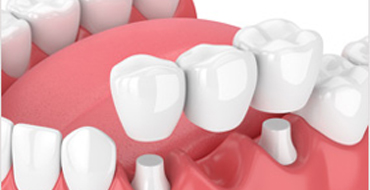
What is the difference between a crown and a bridge?There are a lot of different...

