New Patient Offer
$79
A $400+ Value
- Exam
- X-rays
- Cleaning
- Treatment Plan


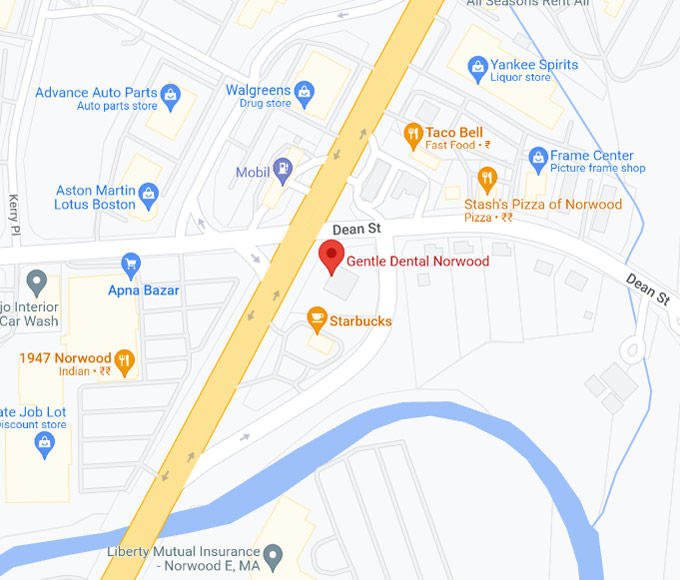
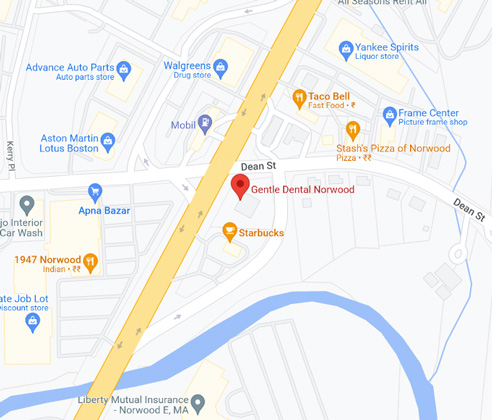
Dedicated parking lot available on-site.
Dedicated parking lot available on-site.
Norwood, MA

Had a wisdom tooth pulled the staff and team were amazing Dr Vu made my experience very pleasant great job.
Norwood, MA
Everyone is very nice. I had to have emergency wisdom tooth removal and the staff treated me very well. Feeling much better.
Norwood, MA
The dentist is never fun but they make it easy. Saran at the front desk was super nice and helpful. I had a walk in wisdom tooth removal with little to no pain at all. All the doctors and staff were great. They really care about their patients. 10/10.
A tooth extraction is the removal of a tooth from its socket when repair is not the best option. Dentists recommend it for teeth that are too damaged, infected or crowded to stay healthy.
Extractions can also prepare the mouth for other care, such as braces or a denture. The goal is to relieve pain, stop infection and protect the teeth that remain.
Severe decay, a broken tooth below the gumline or a tooth infection that keeps returning can make extraction necessary. Impacted wisdom teeth and severe crowding are other common reasons.
Advanced gum disease can loosen a tooth until it no longer has enough support to stay in place. If chewing hurts, swelling keeps coming back or a tooth feels unstable, an exam can show whether removal makes sense.
Most extractions start with numbing the area so you stay comfortable. For a simple removal, the dentist loosens the tooth and lifts it out with careful pressure.
If a tooth is broken, impacted or harder to reach, a surgical extraction may be needed. In that case, the dentist may make a small opening in the gum to remove the tooth safely.
When a tooth can still be saved, treatment may include a filling, crown, root canal or gum therapy. These options aim to keep the tooth in place while treating the source of damage or infection.
If extraction is unavoidable, replacement options such as an implant, bridge or partial denture may restore chewing and appearance. The right choice depends on the tooth, the bone around it and your long-term goals.
Most people have soreness and minor bleeding for the first day or two. A blood clot forms in the socket, and that clot helps the area heal over the next one to two weeks.
Rest, soft foods, ice and gentle rinsing can support healing. Call your dentist if pain gets worse after a few days, bleeding will not stop, or you notice fever, swelling or a bad taste.
The cost of a tooth extraction in Norwood can vary based on whether the tooth is simple or surgical, how badly it is damaged and whether imaging or follow-up care is needed. Wisdom teeth and impacted teeth usually cost more.
Many dental insurance plans help cover medically necessary extractions, but benefits vary. Our Norwood office can review your coverage, explain likely out-of-pocket costs and help you plan treatment without surprises.
Yes, tooth extraction is generally safe when performed by a qualified dental provider. Risks can include bleeding, infection, dry socket or temporary swelling, but careful planning and aftercare lower those risks.
Gentle Dental in Norwood, MA, provides preventive, restorative, and cosmetic dental care to support healthy smiles at every stage.
Most people feel better within a few days, while the socket continues healing for one to two weeks. Surgical extractions can take longer, especially if a wisdom tooth is impacted or the area needs stitches.
Yes, Gentle Dental in Norwood provides tooth extractions when a tooth is too damaged, infected, or crowded to be kept. Your visit starts with an exam so the team can confirm whether removal is the right choice.
Yes, our Norwood office can discuss replacement options such as an implant, bridge or partial denture after extraction. The best choice depends on the location of the tooth, your bite and your long-term goals.
Avoid smoking, drinking through a straw, vigorous rinsing, and hard foods for the first day or two. These habits can disturb the clot and raise the risk of dry socket.
Contact your dentist if bleeding does not slow, swelling becomes worse, you develop a fever, or pain increases after initially improving. These symptoms may need additional evaluation.
Same-day treatment may be possible depending on the condition of the tooth, your health history, and the complexity of the extraction. An exam is usually needed first to determine the safest treatment plan.
If your request is a dental emergency, or you would like to call and schedule your dental appointment, contact information for our offices can be found here: Gentle Dental Locations. New patient offer not valid for emergency appointments.

The goal after a tooth extraction is to protect the blood clot, reduce swelling,...

Some people describe going to the dentist as pulling teeth! But this is far from...

