New Patient Offer
$79
A $400+ Value
- Exam
- X-rays
- Cleaning
- Treatment Plan


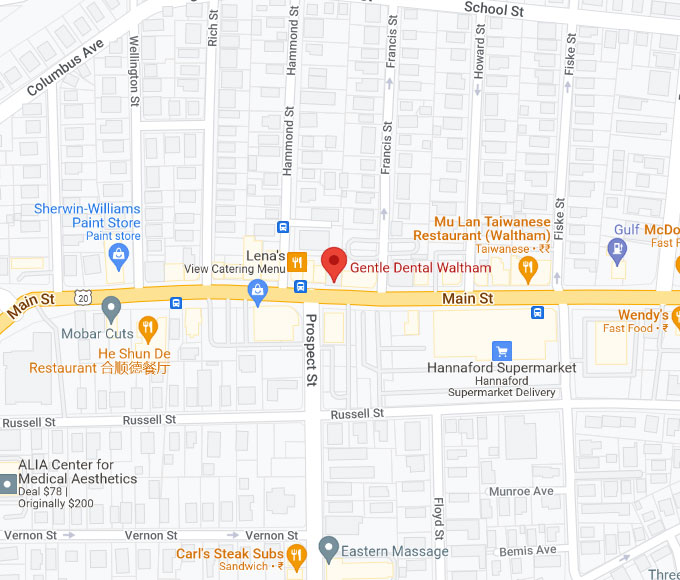
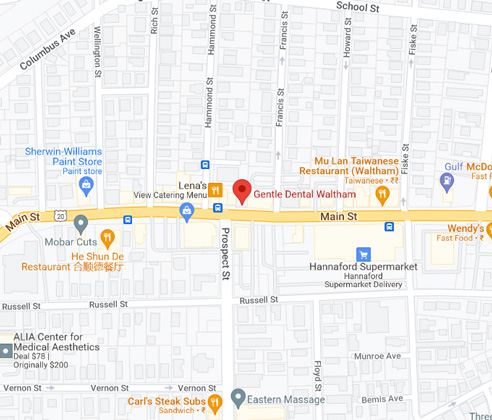
Parking lot located behind building off of Francis Street. Street parking also available.
Parking lot located behind building off of Francis Street. Street parking also available.
Waltham, MA

The doctors are very kind and attentive; thank you for everything.
Waltham, MA
Best dental hygienist ever. Kat. Dental assistant was great and dentist check just fine. Front desk very nice
Waltham, MA
Excellent Service ! Thanks Cath , she’s the Best ! And the team waww , Good service as always.
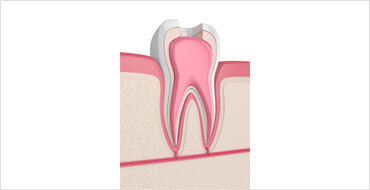
A root canal is a treatment that removes infected or inflamed tissue from inside a tooth. It helps save the tooth instead of removing it.
After cleaning the inside, the tooth is sealed to help protect it from more infection. Most teeth still need a crown or filling afterward for strength.
First, the tooth is numbed so the area stays comfortable during treatment. The dentist then opens the tooth, removes the infected tissue, and cleans the canals inside the root.
After the canals are shaped and disinfected, they are filled and sealed. A temporary or permanent filling closes the tooth, and many teeth later need a crown for lasting support.
Retreatment may be recommended when a previously treated tooth becomes infected again. The dentist reopens the tooth, removes the old filling material, and cleans the canals again.
Extraction removes the tooth completely, which can be the better choice if the tooth is cracked beyond repair. The best option depends on the tooth, the infection, and how much healthy structure remains.
Most patients feel mild soreness or pressure for a few days after treatment. Over-the-counter pain medicine often helps, and chewing on the treated side may feel easier after the numbness wears off.
You can usually eat once the numbness is gone unless your dentist gives different instructions. If a permanent crown is needed, it is placed after the tooth has time to heal and settle.
The cost of root canals in Waltham varies based on the tooth, how complex the infection is, and whether a crown is needed. Front teeth usually cost less than molars because they have fewer canals.
Many dental insurance plans cover part of root canal treatment, but coverage depends on your benefits and deductible. Our office can help you review what your plan may cover before treatment starts.
Yes, root canals are a common and safe way to treat an infected tooth. They are meant to remove the source of pain and infection, not spread it.
A root canal does not usually make you sick, and antibiotics are not always needed. Your dentist may recommend them if the infection has spread beyond the tooth or if swelling is present.
Gentle Dental in Waltham can evaluate whether a root canal, retreatment, or extraction is the better choice for your tooth. Our team focuses on clear explanations, comfort during the visit, and a plan for the restoration afterward.
We also work with many insurance plans and can talk through payment options before treatment. If you are comparing care in Waltham, our office can help you move from pain to a clear next step.
Gentle Dental in Waltham, MA, provides dental care for children, adults, and families with services designed to support healthy teeth and gums at every stage of life.
You may need one if you have lingering tooth pain, sensitivity to temperature, swelling, or pain when biting. A dental exam and X-rays are needed to confirm the cause.
It often relieves the source of pain quickly, but the tooth can stay sore for a few days. That soreness is usually mild and improves as the area heals.
Extraction can be better if the tooth is too damaged to be saved. If the tooth can still be restored, a root canal often lets you keep your natural tooth.
Not usually. Antibiotics are only used if there is a spreading infection, fever, or other signs your dentist thinks need extra treatment after root canals in Waltham.
Yes, reinfection can happen if bacteria get back into the tooth or if a crack or leak develops. That is why a strong final restoration matters.
You can usually eat once the numbness wears off, but wait until you can chew safely. Stick to soft foods at first and avoid biting on the treated tooth until your dentist says it is OK.
If your request is a dental emergency, or you would like to call and schedule your dental appointment, contact information for our offices can be found here: Gentle Dental Locations. New patient offer not valid for emergency appointments.

In the U.S., a root canal typically costs about $700–$2,000 depending on the too...
What are the symptoms of infection after a root canal?A root canal infection hap...
What are the symptoms of infection after a root canal?A root canal infection hap...

