How Do Teeth Braces Work?
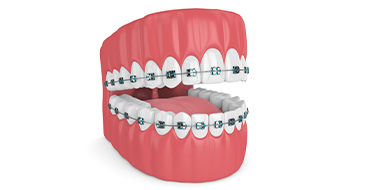
Braces are designed to move your teeth into better alignment over time. This process is based on the principle of applying controlled, gentle pressure to gradually shift teeth into their correct positions. Braces use components such as brackets, wires, and bands to create this pressure.
- Brackets are attached to each tooth and act as anchors for the braces.
- Wires connect the brackets, providing the pressure needed to move the teeth.
- Bands secure the brackets in place and can also be used to adjust the pressure.
Types of Braces Available
Each type of braces is designed to meet specific needs, and selecting the right option depends on factors such as personal preference, severity of the dental issue, and the desired appearance.
Metal Braces
Metal braces are the traditional, most widely used braces, made from high-quality stainless steel. They are effective for treating most dental alignment issues and are generally the most cost-effective option.
Benefits: Metal braces are highly durable and efficient, offering excellent control over tooth movement.
Ceramic Braces
Ceramic braces are similar to metal braces but made from a tooth-colored or clear material, making them less noticeable.
Benefits: These braces are ideal for patients who want a less visible treatment option. They provide the same effectiveness as metal braces but are more aesthetic.
Lingual Braces
Lingual braces are placed on the inside (lingual side) of your teeth, making them virtually invisible when you smile.
Benefits: Ideal for those who prefer a discreet treatment option but still need the effectiveness of traditional braces.
Self-Ligating Braces
Self-ligating braces use a special mechanism (clips or slides) to hold the wire in place, eliminating the need for elastic bands.
Benefits: These braces reduce friction, leading to less discomfort and shorter treatment time. They are more convenient, requiring fewer visits for adjustments.
Clear Aligners (Invisalign)
Clear aligners like Invisalign are transparent, removable trays that gradually shift teeth into place.
Benefits: They are nearly invisible and can be removed for eating and cleaning, offering greater flexibility and comfort compared to traditional braces. However, they may not be suitable for complex cases.
Braces Treatment Process
Duration of Treatment
The treatment time varies from 18 months to 3 years, depending on the complexity of your dental issues. For example, severe misalignment may require longer treatment.
Initial Consultation and Assessment
The treatment begins with a consultation where your dentist or orthodontist evaluates your dental condition, discusses treatment options, and develops a personalized plan for your braces.
Customizing Your Treatment Plan
After assessing your needs, your orthodontist creates a custom treatment plan, selecting the appropriate type of braces and scheduling regular appointments to track progress.
Risks and Benefits of Braces
Advantages of Getting Braces
Braces are not just for cosmetic purposes; they also improve oral health by correcting issues such as overbites, underbites, and misalignment. A straighter smile improves your confidence and makes it easier to clean your teeth, reducing the risk of cavities and gum disease.
Common Side Effects and Risks
While braces are safe, they can cause some discomfort and irritation to the gums, especially when first installed or after adjustments. Additionally, it may be harder to clean your teeth effectively, increasing the risk of plaque buildup, cavities, and gum issues. Regular visits to the dentist and proper care can mitigate these risks.
Post-Treatment Care and Maintenance
Caring for Your Braces
Proper oral hygiene is crucial when wearing braces. Brush and floss your teeth carefully, using specialized tools like interdental brushes and floss threaders to ensure your braces remain clean and functional.
Foods to Avoid
Certain foods can damage braces or cause discomfort, such as sticky foods (caramel, gum), hard foods (nuts, popcorn), or chewy foods (chewy candies). These foods can break the brackets or make it harder to clean your braces.
Retainers and Maintaining Results
Once your braces are removed, wearing retainers is essential to prevent your teeth from shifting back to their original positions. Retainers are usually worn at night after treatment to maintain the alignment.
Why Choose Us for Your Orthodontic Needs?
Experienced Team of Orthodontic Specialists
Our team in Concord, NH, has years of experience in providing high-quality orthodontic care. We take the time to understand each patient's unique needs, ensuring that your treatment is personalized and effective.
State-of-the-Art Technology
We use the latest technology in orthodontics to ensure faster, more comfortable treatment and exceptional results. Our state-of-the-art equipment helps us achieve precision in every step of the process.
Patient-Centered Care Approach
At Gentle Dental, our focus is on making your experience as comfortable and stress-free as possible. We prioritize your comfort and satisfaction, ensuring that each step of the treatment process meets your expectations.