New Patient Offer
$79
A $400+ Value
- Exam
- X-rays
- Cleaning
- Treatment Plan


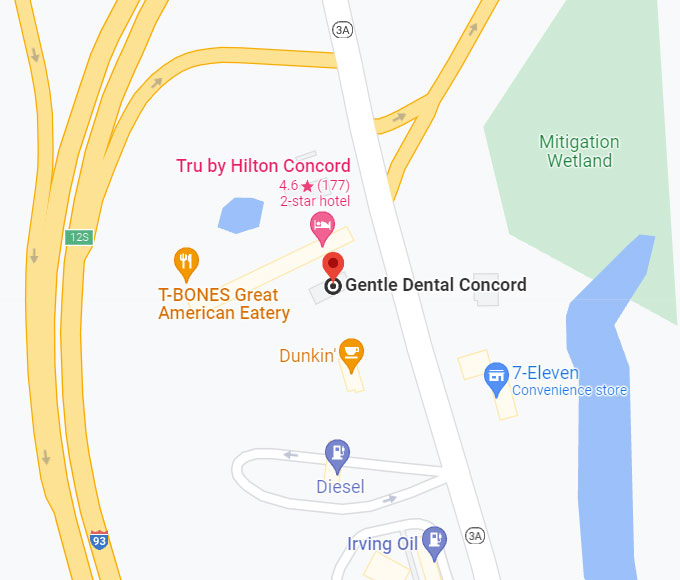
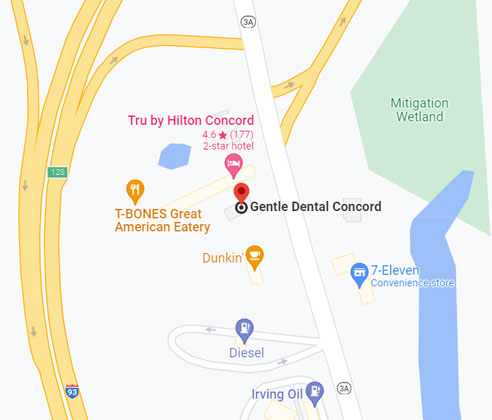
Parking lot on-site.
We are now Welcoming All Gentle Dental Concord Hospital Patients
Gentle Dental Concord Hospital, 246 Pleasant St, Concord, NH 03301 will be merging with Gentle Dental Concord, 410 South Main Street, Concord, NH 03301. The Concord Hospital location will be closed.
Parking lot on-site.
We are now Welcoming All Gentle Dental Concord Hospital Patients
Gentle Dental Concord Hospital, 246 Pleasant St, Concord, NH 03301 will be merging with Gentle Dental Concord, 410 South Main Street, Concord, NH 03301. The Concord Hospital location will be closed.
Concord, NH

It was a welcoming atmosphere created by the people in there, from the receptionists to the doctors. Got my teeth cleaned for the first time, and they explained the procedure to me in detail. They are good at their work. I will recommend them to anyone!
Concord, NH
Great appointment! My dental hygienist was kind, gentle and quick. Dentist was also very nice and caring. Answered my questions
Plaque is a sticky layer of bacteria that forms on the teeth throughout the day. Brushing and flossing can remove much of this buildup, but plaque that remains may harden into tartar.
Tartar cannot be removed effectively with a regular toothbrush. During a professional cleaning, a dentist or dental hygienist uses specialized instruments to remove buildup from the tooth surfaces and around the gumline.
Plaque bacteria interact with sugars and starches from food to produce acids that can weaken tooth enamel. Removing plaque and tartar helps reduce the buildup that contributes to tooth decay.
Your dental team may also identify areas that need additional attention at home, such as crowded teeth, back molars or spaces around dental restorations.
Plaque and tartar near the gumline can irritate gum tissue. Routine cleanings help keep these areas cleaner and may reduce the risk of gingivitis, the early stage of gum disease.
The dental team can also evaluate your gums during the visit. If deeper gum pockets, inflammation or bone changes are present, your dentist may recommend periodontal treatment rather than a standard cleaning.
Bacteria and food particles around the teeth and gums may contribute to persistent bad breath. A professional cleaning removes deposits from areas that may be difficult to reach through home care alone.
Polishing may also remove certain surface stains. However, a routine cleaning does not change the natural color of your teeth in the same way as professional teeth whitening.
A cleaning appointment allows the dental team to monitor changes in your teeth, gums and existing dental work. Findings from the visit can help determine whether you need additional preventive, restorative or periodontal care.
The appropriate type of cleaning depends on the amount of buildup present and the condition of your gums. Your dentist or hygienist will evaluate your oral health before recommending treatment.
A routine cleaning, also called prophylaxis, is generally intended for patients whose teeth and gums are relatively healthy. The cleaning focuses on removing plaque and tartar from the visible tooth surfaces and around the gumline.
The appointment commonly includes scaling, flossing and polishing. A dental examination or preventive treatment may also be recommended based on your needs.
Patients who have not received dental care for an extended period may have heavy tartar buildup that makes it difficult to evaluate the teeth and gums.
A dentist may recommend debridement to remove extensive deposits before completing a more detailed examination. Additional care may be needed after the buildup has been removed.
Scaling and root planing is a periodontal treatment for patients with gum disease. It cleans below the gumline and around the roots of the teeth, making it different from a routine preventive cleaning.
Your dentist will evaluate your gums and explain whether periodontal treatment is appropriate. Not every patient who schedules a cleaning will need scaling and root planing.
The dental team may begin by reviewing your dental concerns, medications and relevant health history. Tell the team if you have experienced tooth sensitivity, bleeding gums, discomfort or changes since your previous visit.
You can also discuss concerns about dental treatment before the cleaning begins. This information helps the team plan the appointment around your oral health needs.
A dentist or dental hygienist may examine your teeth, existing restorations and gum tissue. The assessment may include checking the depth of spaces around the teeth to evaluate gum health.
Digital X-rays may be recommended when the dental team needs to examine areas that cannot be seen during a visual evaluation. X-rays are not automatically required at every cleaning appointment.
The dental professional uses specialized instruments to remove plaque and hardened tartar from the teeth. The cleaning may involve hand instruments, an ultrasonic scaler or a combination of techniques.
You may hear scraping or vibration during this part of the appointment. Tell the dental professional if an area feels sensitive so the team can adjust its approach when appropriate.
After the deposits have been removed, the dental professional may floss between the teeth to clear remaining particles and evaluate areas that require more attention.
The teeth may then be polished using a soft dental cup and polishing paste. Polishing helps remove remaining surface residue and certain external stains.
At the end of the appointment, the dental team may discuss brushing, flossing and other home-care techniques. Recommendations may focus on specific areas where plaque collects or where your gums need additional support.
Your dentist will also explain when to return for your next cleaning. The recommended interval depends on your gum health, cavity risk, medical history and previous dental findings.
Some patients experience temporary tooth sensitivity or mild gum tenderness after a cleaning, particularly when tartar has accumulated near the gumline.
These effects are usually manageable, but their duration can vary. Contact the Concord dental office if discomfort is severe, continues or is accompanied by another concern.
Most patients can return to their regular meals after a routine cleaning. However, waiting until sensitivity improves before consuming very hot, cold or acidic foods may make eating more comfortable.
Your dental team will provide specific instructions if you receive fluoride or another preventive treatment during the same appointment.
Professional cleaning supports daily oral hygiene but does not replace it. Brush your teeth twice each day with fluoride toothpaste and clean between your teeth using floss or another interdental cleaning method.
Use gentle pressure around the gumline. The dental team can demonstrate techniques or suggest tools based on your teeth, dental work and ability to clean difficult areas.
Many patients receive cleanings at regular preventive visits, but there is no single schedule that is appropriate for everyone. Patients with gum disease, frequent cavities, orthodontic appliances or certain health considerations may require more frequent care.
Follow the schedule recommended after your dental examination rather than delaying treatment until discomfort develops.
A dental cleaning may be coordinated with other preventive services when clinically appropriate. Gentle Dental Concord provides services such as dental examinations, digital X-rays, fluoride treatment, sealants and oral cancer screening.
These services are recommended according to age, oral health history and current findings. Receiving a cleaning does not mean that every additional preventive treatment will be necessary.
If the dental team identifies decay, gum disease or another concern, your dentist will explain the finding and discuss appropriate next steps before treatment begins.
The Concord office provides preventive and general dental services for patients of different ages. Families can schedule routine cleanings, examinations and related preventive care through one local practice.
Your cleaning plan will reflect your current oral health rather than using the same approach for every patient.
Gentle Dental Concord uses low-radiation digital X-rays and digital dental technology. When imaging is needed, it can help the dental team examine areas between teeth, below restorations or beneath the gumline that may not be visible during a clinical evaluation.
The dentist will determine whether digital X-rays are necessary based on your history and current findings.
The Concord location provides general dentistry and several specialty services under one roof. If a cleaning or examination identifies a concern that requires additional evaluation, the dental team can help coordinate the next stage of care.
Available services include preventive, restorative, periodontal, orthodontic, endodontic and oral surgery care.
Gentle Dental Concord accepts many dental insurance plans. Coverage for preventive services varies by plan, frequency limitations and eligibility.
The office team can help review your insurance information before treatment. Patients should contact the office for cleaning-specific coverage and estimated out-of-pocket costs.
After your cleaning, the dental team can explain relevant findings, recommend home-care improvements and help plan your next preventive visit.
Patients who need additional treatment will receive recommendations based on their examination rather than receiving a standard treatment plan.
Finding the right dental care shouldn’t mean driving all over New Hampshire. At our Concord office, you’ll find everything you need in one place—from routine cleanings to implants and orthodontics. We combine modern technology with a comfortable, patient-first approach. Whether you’re coming in for cosmetic care or need a same-day emergency visit, our team is here to make your experience as easy as possible.
Many patients receive cleanings approximately every six months, but the appropriate schedule varies. Your dentist may recommend more frequent visits if you have gum disease, recurring cavities or another oral health risk.
A routine cleaning removes plaque and tartar from the visible tooth surfaces and around the gumline. A deep cleaning, also called scaling and root planing, treats gum disease by cleaning below the gums and around the tooth roots.
Some patients experience temporary sensitivity or mild gum tenderness after tartar is removed. Tell the dental team about existing sensitivity before treatment and contact the office if discomfort is severe or does not improve.
Yes. The Concord office provides preventive dental care for children and adults. The dental team will adjust the cleaning and examination according to the child’s age, dental development and oral health needs.
Dental insurance benefits vary by plan, eligibility and service frequency. The Concord office accepts many insurance plans and can help review your benefits before the appointment, but coverage cannot be guaranteed.
Yes, but the dental team will first evaluate the amount of buildup and the condition of your gums. Patients with extensive tartar or gum disease may need debridement or periodontal treatment instead of a routine cleaning.
If your request is a dental emergency, or you would like to call and schedule your dental appointment, contact information for our offices can be found here: Gentle Dental Locations. New patient offer not valid for emergency appointments.

A professional teeth cleaning is essential for long-term health, offering benefi...

