New Patient Offer
$79
A $400+ Value
- Exam
- X-rays
- Cleaning
- Treatment Plan


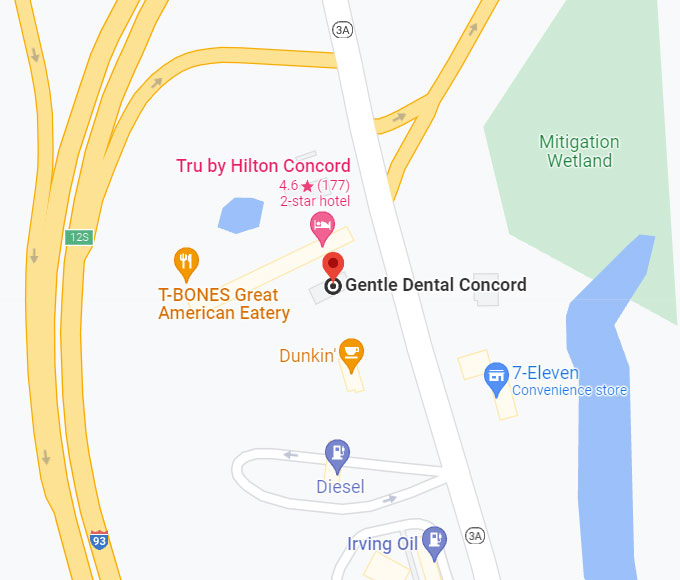
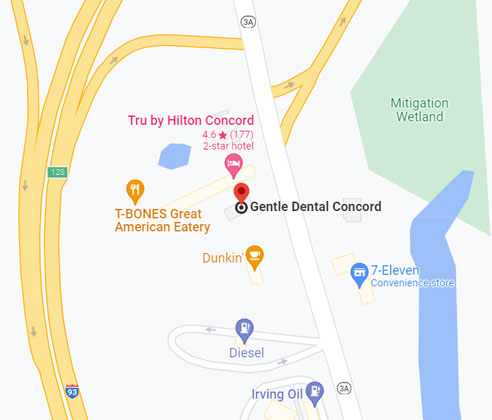
Parking lot on-site.
We are now Welcoming All Gentle Dental Concord Hospital Patients
Gentle Dental Concord Hospital, 246 Pleasant St, Concord, NH 03301 will be merging with Gentle Dental Concord, 410 South Main Street, Concord, NH 03301. The Concord Hospital location will be closed.
Parking lot on-site.
We are now Welcoming All Gentle Dental Concord Hospital Patients
Gentle Dental Concord Hospital, 246 Pleasant St, Concord, NH 03301 will be merging with Gentle Dental Concord, 410 South Main Street, Concord, NH 03301. The Concord Hospital location will be closed.
Concord, NH

Dr. M is absolutely amazing, gentle and caring. The assistant Erika was also very kind and helped me with my dental anxiety. Highly recommend this dentist.
Concord, NH
They were able to get me in a chaire after years of a real fear of the dentist. They were very good handling my anxiety. Oh an it break the bank
Concord, NH
I’ve never been a fan of going to the Dentist’s but at Gentle Dental the novocaine Dr Gass used works almost instantly and I’m never in the chair for more than ten minutes! At least even a major procedure is done In no time and done well!
Patients may experience anxiety because of a previous dental experience, fear of discomfort, uncertainty about treatment or concern about dental instruments.
Sedation may help reduce this anxiety so the patient can receive necessary care. Tell the Concord team about your concerns when scheduling so they can plan an appropriate consultation.
Some patients feel especially anxious about injections, drilling sounds or other aspects of treatment. Sedation may reduce awareness of these triggers and make it easier to remain calm.
Local anesthesia may still be needed to numb the treatment area, even when sedation is used.
A strong gag reflex can make dental examinations, impressions, imaging or treatment difficult. Sedation may reduce sensitivity to certain sensations and help the dentist complete the procedure.
Your dentist will evaluate the cause and severity of the gag reflex before recommending an approach.
Patients with physical, behavioral, developmental or cognitive needs may have difficulty remaining in the treatment position. Sedation may be considered when it can support safer and more manageable care.
The dentist will review the patient’s health, support needs and planned treatment before deciding whether sedation is suitable.
Some restorative, periodontal, endodontic or surgical procedures may require an extended appointment. Sedation may help a patient remain relaxed during a longer treatment session.
The dentist may also determine whether multiple procedures can be completed during one visit. Sedation does not guarantee that all treatment can be combined into a single appointment.
Some patients report that local anesthetic has not worked as expected during previous dental procedures. Anxiety can also affect how patients perceive discomfort.
Tell the dentist about previous experiences with anesthesia. The team can review your treatment history and determine whether sedation, a different local anesthetic approach or another modification should be considered.
Sedation medication can reduce fear and nervousness before or during treatment. Patients may feel calmer while remaining able to communicate with the dental team, depending on the selected level of sedation.
A consultation is necessary because the appropriate approach depends on the patient’s health and anxiety level.
Patients who have postponed treatment because of anxiety may find it easier to proceed with recommended care when a sedation option is available.
The goal is to support access to treatment without minimizing the importance of discussing potential risks, alternatives and recovery needs.
Certain sedation methods can make patients less aware of the sounds, sensations or passage of time during a procedure. Some forms may also reduce how much the patient remembers afterward.
The effect varies according to the medication, dosage and individual response.
Sedation may help patients remain relaxed during treatments that require additional time. This can be helpful when frequent breaks or anxiety would otherwise make the procedure difficult to complete.
The dentist will determine whether a longer appointment is appropriate rather than assuming that sedation should be used to accelerate treatment.
Sedation planning gives the dental team an opportunity to review anxiety triggers, communication preferences and medical considerations before treatment begins.
Patients can also agree on a signal to request a pause when they are receiving a form of sedation that allows them to remain responsive.
Gentle Dental’s sedation dentistry program describes several possible approaches. The specific method available at the Concord office may depend on the procedure, provider, patient’s health and required level of sedation.
The Concord team will confirm availability during the consultation. Patients should not assume that every sedation method is offered for every treatment.
Nitrous oxide is inhaled through a small mask placed over the nose. The patient generally remains awake and can respond to the dental team throughout treatment.
The dentist can adjust the amount during the appointment. The effects usually decrease quickly after the gas is stopped and oxygen is administered.
A patient should wait for the clinical team to confirm that recovery is complete before leaving or driving.
Oral sedation involves taking prescribed medication before the dental procedure. The medication can make the patient feel relaxed, tired or less aware of the treatment.
Patients receiving oral sedation generally remain conscious but may have limited memory of the appointment. Because drowsiness and reduced coordination can continue afterward, a responsible adult may need to provide transportation and remain available during recovery.
Follow the exact instructions provided for medication timing, food, drinks and transportation.
Intravenous sedation delivers medication through a vein. It allows the trained sedation provider to control and adjust the medication during treatment.
Patients may become deeply relaxed and remember little about the procedure while remaining under continuous clinical monitoring.
IV sedation requires specific preparation and recovery arrangements. Availability must be confirmed with the Concord office before treatment is planned.
General anesthesia produces a controlled state of unconsciousness and is different from conscious sedation. It may be considered in limited circumstances based on the procedure, patient’s needs and provider qualifications.
General anesthesia requires advanced planning, specialized training and appropriate monitoring. The dentist will explain whether it is necessary and where the treatment can be completed.
The consultation begins with a discussion about the treatment you need and the factors that make dental visits difficult. Tell the team about fear, a strong gag reflex, difficulty remaining still or previous negative experiences.
Open communication helps the dentist determine whether nonmedication comfort strategies, sedation or a combination of approaches may be appropriate.
The dentist will review medical conditions, allergies, medications, supplements and previous reactions to anesthesia or sedation. This information is important because certain health conditions or medications can affect sedation planning.
Patients should also disclose pregnancy, possible pregnancy, breathing conditions, sleep apnea, heart conditions and other relevant health concerns.
Do not stop or change a prescribed medication unless the prescribing clinician and dental provider advise you to do so.
The dentist will consider your anxiety level, overall health, age, procedure length and treatment complexity. The team will then explain which available option may provide the appropriate level of relaxation.
The consultation should also cover potential side effects, alternatives and whether another provider or treatment setting is needed.
Preparation varies according to the type of sedation. You may receive instructions about eating, drinking, regular medications and what to wear to the appointment.
Some forms of sedation require fasting for a specified period. Follow the instructions from the Concord team rather than applying general fasting guidance to your appointment.
Patients receiving oral sedation, IV sedation or deeper anesthesia may need a responsible adult to drive them to and from the office. The escort may also need to remain with the patient after treatment.
Do not drive, operate equipment or make important decisions until the dental team confirms that the sedation effects have resolved.
The team may confirm your medication use, fasting status, transportation arrangements and any health changes before administering sedation.
Tell the team if you have developed an illness, changed medications or did not follow a preparation instruction. The dentist may need to modify or postpone treatment for safety.
The medication is administered according to the selected method. The dental team allows time for the sedative to take effect before beginning the procedure.
The patient’s response is assessed throughout this stage. Additional medication or adjustments are made only when clinically appropriate.
Sedation helps manage anxiety but does not replace local anesthesia for procedures that require the treatment area to be numb.
Once the patient is sufficiently relaxed and the area is numb, the dentist completes the planned procedure. The team continues to communicate with and observe the patient throughout the appointment.
The type and depth of sedation determine the required level of monitoring. The dental team may monitor breathing, oxygen levels, blood pressure, heart rate and responsiveness.
The provider will adjust treatment according to the patient’s clinical response and established safety protocols.
After treatment, the team observes the patient while the initial sedation effects decrease. The patient receives instructions related to the sedative and the dental procedure.
Patients who require an escort will not be released to drive themselves home.
Nitrous oxide usually wears off more quickly than oral or intravenous sedation. The dental team may administer oxygen after treatment and observe the patient before discharge.
Do not assume that you can drive immediately. Wait until the clinician confirms that you are alert and have recovered adequately.
Drowsiness, slower reaction time and reduced coordination may continue after oral or IV sedation. Patients should rest and follow the activity restrictions provided by the dental team.
A responsible adult may need to stay with the patient during the initial recovery period. Avoid driving, alcohol, strenuous activity and operating machinery for the period specified by the provider.
The dental team will explain when you can eat and drink after the appointment. Instructions may depend on the sedation method, local anesthesia and dental procedure.
Choose foods that are appropriate for the completed treatment and avoid eating while the mouth remains numb.
Take prescribed or recommended medications only as directed. Sedatives may interact with alcohol, sleep aids, pain medication or other substances.
Contact the office or prescribing provider before combining medications when you are uncertain about possible interactions.
Contact Gentle Dental Concord if sedation effects last longer than expected or if you experience symptoms that concern you.
Seek immediate medical assistance for difficulty breathing, severe confusion, loss of consciousness, chest pain or another potentially serious reaction.
Sedation may be considered for different types of dental care, depending on the patient and procedure.
Possible treatments include:
Sedation is not automatically recommended for these services. The Concord dentist will determine whether it is appropriate after reviewing the treatment plan and medical history.
Gentle Dental identifies sedation dentistry as a service available at its Concord office. Patients can begin with a consultation to determine whether sedation may support their planned dental care.
The team will confirm which methods are available for the specific procedure rather than using one approach for every patient.
Gentle Dental Concord provides general and specialty dentistry in one location. This structure can help coordinate sedation planning with restorative, periodontal, endodontic or surgical treatment when appropriate.
The need for a specialist depends on the procedure and patient’s clinical needs.
The Concord office uses low-radiation digital X-rays and digital modeling. These tools can help the dental team evaluate oral health concerns and plan treatment before sedation is administered.
The dentist will determine whether imaging is needed for the proposed procedure.
Sedation decisions require an evaluation of the patient’s medical history, medications, anxiety level and planned treatment.
The Concord team can explain the benefits, limitations and alternatives so patients can make an informed decision before proceeding.
Gentle Dental Concord accepts many dental insurance plans. Insurance benefits for sedation vary according to the plan, procedure and reason sedation is recommended.
The office can review available benefits and discuss payment options. Patients should schedule a consultation for treatment-specific information and an individualized estimate.
Finding the right dental care shouldn’t mean driving all over New Hampshire. At our Concord office, you’ll find everything you need in one place—from routine cleanings to implants and orthodontics. We combine modern technology with a comfortable, patient-first approach. Whether you’re coming in for cosmetic care or need a same-day emergency visit, our team is here to make your experience as easy as possible.
Patients generally remain awake during nitrous oxide, oral conscious sedation and IV conscious sedation, although they may feel drowsy and remember little about treatment. General anesthesia produces unconsciousness and is used only in selected circumstances.
Sedation is primarily used to manage anxiety and awareness. Local anesthesia is usually administered separately to numb the treatment area and control discomfort during procedures that require it.
Sedation may be considered for patients with dental anxiety, fear of needles, a sensitive gag reflex, difficulty remaining still or a lengthy procedure. The dentist must review your health and treatment needs before recommending it.
Provide a complete list of medical conditions, allergies, medications, supplements and previous reactions to anesthesia or sedation. You should also disclose pregnancy, possible pregnancy, sleep apnea or breathing concerns.
A driver is commonly required after oral sedation, IV sedation or general anesthesia. Transportation requirements may differ after nitrous oxide, but you should not drive until the dental team confirms that you have recovered.
Sedation may reduce sensitivity to dental sensations and help some patients manage a strong gag reflex. The dentist will first evaluate your needs and determine whether sedation or another accommodation is appropriate.
Coverage varies according to the insurance plan, dental procedure and clinical reason for sedation. The Concord office can help review your benefits, but payment by an insurer cannot be guaranteed.
If your request is a dental emergency, or you would like to call and schedule your dental appointment, contact information for our offices can be found here: Gentle Dental Locations. New patient offer not valid for emergency appointments.

What Is Sedation Dentistry?What is sedation dentistry? Sedation dentistry is a ...

Nearly 73% of adults in the United States report some level of dental fear, acco...

