New Patient Offer
$79
A $400+ Value
- Exam
- X-rays
- Cleaning
- Treatment Plan


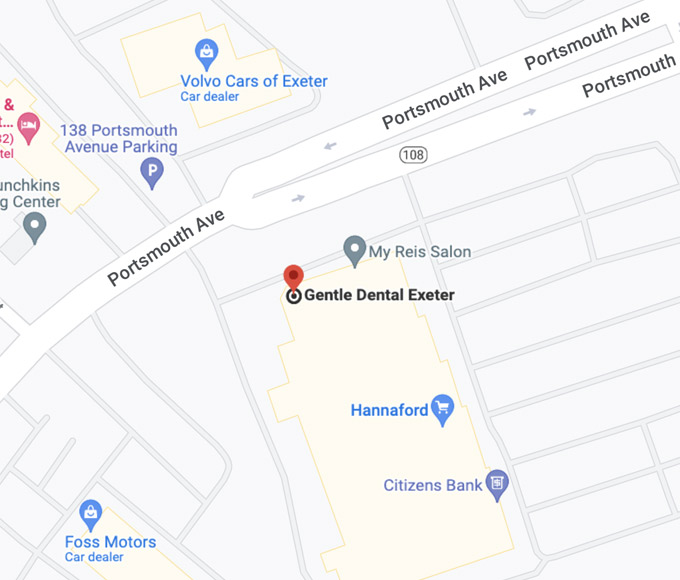
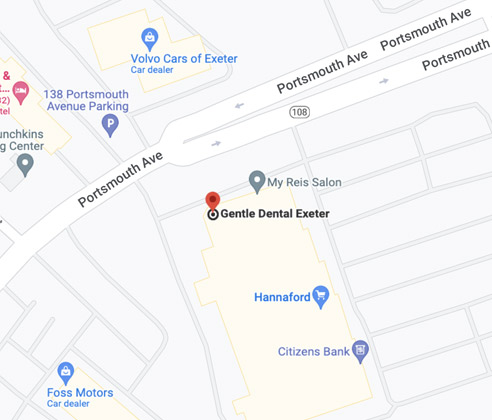
Exeter, NH

I moved to Exeter several months ago and was in bad need of a cleaning because my previous out of state dentist decided to retire without telling anyone. I'm 78 year old with bad teeth and believe that the cleaning I received from Wesley was the best I have ever had. He was very careful and very gentle. It was as close to a pleasant experience as a cleaning can be. I will be back
Exeter, NH
An excellent first experience for me. Dr. A. Lived up to the name of the practice. The office staff and the dental assistant were friendly and competent. Couldn’t have had a better experience.
Exeter, NH
Dr. A. is just terrific. Kind, smart, deft, quick — I’ve had to have a lot of work done, and I’m just so grateful for her professionalism and her team. As someone who has had very high anxiety about dentists, I can’t believe my good luck in finding this wonderful professional.
A tooth extraction is the removal of a tooth from its socket when saving it is no longer the best option. Some extractions are simple and done at the gumline.
Other cases are surgical and need a small incision or sectioning of the tooth. That approach is used when the tooth is broken, impacted, or hard to reach.
Common reasons include severe decay, a deep infection, fracture after trauma or crowding that leaves no room for proper alignment. Sometimes a tooth also needs removal if it blocks eruption.
Ongoing pain, swelling, a loose tooth, or a tooth that cannot be restored with filling or crown care can also point to extraction. A dental exam and X-rays help confirm the cause.
If the tooth can still be saved, your dentist may recommend a root canal to remove infected tissue or a crown to protect a weakened tooth. The goal is to keep your natural tooth when possible.
For a simple extraction, the area is numbed and the tooth is gently loosened before removal. You should feel pressure, not pain, during the procedure.
For a surgical extraction, the dentist may make a small opening in the gum and remove the tooth in sections. Sutures may be placed, and you will get instructions for home care before you leave.
Most people have the most soreness and swelling during the first 24 to 72 hours, then improve over the next several days. Soft foods, rest, and careful oral hygiene help the area heal.
Bleeding that will not stop, fever, worsening pain after a few days, or a bad taste that returns can be warning signs. Call the office if those symptoms develop.
After healing, a missing tooth can often be replaced with an implant, bridge, or denture. The right choice depends on the tooth location, bone support, and your long-term goals for chewing and appearance.
Some people wait until the socket has healed before starting replacement care. Others plan the next step right away so the space does not affect nearby teeth.
Cost depends on whether the extraction is simple or surgical, how many teeth are involved, and whether X-rays or sedation are needed. In Exeter and the surrounding Seacoast area, your estimate is usually based on those details.
Many dental plans cover part of the extraction care when it is medically needed, but coverage varies. Tooth removal is a routine procedure for most patients, and your dental team will review safety, medical history, and healing instructions before treatment.
Gentle Dental in Exeter provides tooth removal for teeth that are badly damaged, infected, or causing crowding. The team explains whether a simple or surgical extraction fits your case and reviews the next steps clearly before treatment.
Our office also helps patients plan around comfort, recovery, and payment questions. If you have insurance, the team can review benefits and discuss practical options before your visit so you know what to expect.
Gentle Dental in Exeter, NH, provides comprehensive dental care to help patients maintain healthy teeth, improve their smiles, and support long-term oral health.
You may need braces if your teeth are crowded, spaced out or your bite feels off. An orthodontic exam can confirm whether treatment would help.
Braces can cause soreness after they are placed or adjusted, but the discomfort is usually temporary. Most patients manage it with soft foods and over-the-counter pain relief.
Treatment often takes 18 months to 3 years, depending on the bite problem and how much movement is needed. Your orthodontist can give a more specific estimate after an exam.
Many dental insurance plans help pay for braces, especially for children and teens. Coverage varies, so our team can review your benefits before treatment starts.
Gentle Dental in Exeter offers orthodontic evaluations and can discuss metal braces, ceramic braces and other options if they fit your case. The right choice depends on your teeth and bite.
Yes, adults can get braces if their teeth and gums are healthy enough for treatment. Many adults choose orthodontic care to improve bite function and smile alignment.
The first visit usually includes an exam, records and a conversation about treatment options. If braces are a good fit, the team explains the next steps and timing.
If your request is a dental emergency, or you would like to call and schedule your dental appointment, contact information for our offices can be found here: Gentle Dental Locations. New patient offer not valid for emergency appointments.

The goal after a tooth extraction is to protect the blood clot, reduce swelling,...

Some people describe going to the dentist as pulling teeth! But this is far from...

