Types of Braces We Offer
At Gentle Dental Nashua, we offer a variety of braces options designed to fit your specific needs, preferences, and lifestyle. Whether you're seeking a discreet treatment option or need a solution for complex dental issues, we have you covered.
Traditional Metal Braces
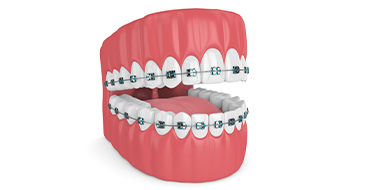
Traditional metal braces are the most common and widely used orthodontic treatment. These braces consist of stainless steel brackets and wires that are attached to the teeth. The wire is periodically tightened to gradually move the teeth into the desired position.
Benefits:
- Reliable and effective for treating a wide range of dental issues, including severe misalignment, overbites, underbites, and crowding.
- Typically the most cost-effective option compared to other braces treatments.
- Suitable for all ages, from children to adults.
Considerations:
- More noticeable compared to other options, but advancements in design have made them smaller and less noticeable.
Clear Ceramic Braces
Clear ceramic braces are similar to traditional metal braces but are made with ceramic or clear materials for a less visible appearance. The brackets are clear or tooth-colored, making them a discreet option for teens and adults who want to avoid the visibility of traditional metal braces.
Benefits:
- Offers a more aesthetic option compared to metal braces, ideal for individuals who are concerned about the appearance of their braces.
- Effective for treating a variety of dental issues, just like metal braces.
Considerations:
- Slightly more expensive than traditional metal braces.
- May require more careful maintenance to avoid staining, as ceramic brackets can discolor if not cleaned properly.
Self-Ligating Braces
Self-ligating braces are similar to traditional metal braces but with a key difference: they do not require elastic bands (ligatures) to hold the wire in place. Instead, the brackets have a built-in mechanism that securely holds the wire, reducing friction and allowing for easier adjustments.
Benefits:
- Can reduce the need for frequent tightening, resulting in fewer visits to the orthodontist.
- May shorten treatment time in some cases, as the lack of elastic bands reduces friction and allows teeth to move more freely.
- More comfortable than traditional braces because they exert less pressure on the teeth.
Considerations:
- Slightly more expensive than traditional metal braces.
- May be visible, although some versions are available in ceramic or clear options.
Clear Aligners (Invisalign®)
Clear aligners, such as Invisalign®, are a popular alternative to traditional braces, especially for adults and teens looking for a more discreet option. These aligners are made of clear, BPA-free plastic and are custom-made to fit your teeth. Unlike traditional braces, clear aligners are removable, which makes them easy to clean and allows you to eat whatever you like during treatment.
Benefits:
- Virtually invisible, making them ideal for those who want a subtle treatment option.
- Removable, so you can brush and floss your teeth as usual and enjoy food without restrictions.
- Comfortable, with no brackets or wires to irritate your gums.
- Treatment times can be shorter than traditional braces for some patients.
Considerations:
- Requires discipline to wear the aligners for at least 20-22 hours a day.
- Best suited for mild to moderate alignment issues; not always effective for complex cases.
Preparing for Your Braces
Pre-Appointment Checklist
- Bring any medical records or previous dental images if you have them.
- Prepare for your initial consultation, which includes a full examination and X-rays.
- Discuss treatment goals, lifestyle preferences, and concerns with our orthodontist.
Consultation Overview
During your visit, we’ll review your dental health, take digital impressions or X-rays, and discuss your treatment options. Our team will explain the braces process, costs, and estimated treatment timeline, ensuring you’re fully informed before starting.
The Braces Treatment Process
Step-by-Step Process
- Initial Placement – After preparing your teeth, we’ll place the braces and apply the wire, adjusting it to the correct position.
- Adjustments – You’ll return to our office every 4-8 weeks for adjustments to tighten the braces and keep your teeth moving in the right direction.
- Retention – Once your teeth are aligned, we’ll remove the braces and provide retainers to maintain your new smile.
Comfort & Technology
We use the latest orthodontic technology to ensure your treatment is effective and comfortable. Gentle Dental’s Nashua location is equipped with modern tools to minimize discomfort and optimize results.
Benefits and Risks of Braces
Benefits of Braces
- Straightening teeth leads to improved oral hygiene and fewer dental issues.
- A well-aligned bite prevents damage from grinding or misalignment.
- A beautiful, confident smile.
Risks & Complications
- Discomfort or soreness following adjustments, which is temporary.
- Tooth decay or gum issues if proper oral hygiene is not maintained during treatment.
- Longer treatment times if you don't follow instructions or miss appointments.
Recovery and Maintenance During Braces
What to Expect
While wearing braces, you may experience mild discomfort after adjustments, which typically resolves in a few days. Following our care instructions will ensure your teeth and gums remain healthy throughout treatment.
Aftercare & Hygiene Tips
- Brush and floss your teeth carefully to prevent plaque buildup and cavities.
- Avoid hard, sticky, or chewy foods that can damage the braces.
- Wear rubber bands or appliances as prescribed to improve results.
When to Contact Us
- If you experience significant pain, broken brackets, or wires, contact us immediately.
- If you notice unusual tooth movement or discomfort that doesn’t subside, we’ll assess the situation.