What is Orthodontics?
Orthodontics is a specialized branch of dentistry that focuses on diagnosing, preventing, and treating dental and facial irregularities, such as misaligned teeth and jaw issues. The main goal of orthodontic care is to enhance both the function and appearance of your teeth and jaw.
Understanding Orthodontic Treatment
Orthodontic treatment involves the use of braces, clear aligners, and other devices to move teeth into their ideal positions. This helps align the bite and correct dental issues, improving both aesthetics and overall oral health. By realigning your teeth and jaw, orthodontics can help prevent problems like tooth decay, gum disease, and difficulty chewing.
Common Orthodontic Issues
Overcrowding:
Overcrowding occurs when there is not enough space in the jaw to accommodate all the teeth. This causes the teeth to overlap, twist, or be pushed out of alignment. It can be caused by factors such as genetic influences, premature loss of baby teeth, or teeth that are too large for the jaw. Overcrowding can affect both the appearance and function of the teeth, making them difficult to clean and more prone to cavities and gum disease.
Gaps:
Gaps, also known as diastema, occur when there is excess space between two teeth. This condition is commonly seen in the front teeth. Gaps can occur naturally or as a result of habits like thumb-sucking in childhood, or issues like missing teeth or disproportionate jaw size. While some gaps can be purely aesthetic, larger spaces can affect the way the teeth align, making it harder to chew and speak.
Overbite:
An overbite occurs when the upper teeth extend too far over the lower teeth, causing the top teeth to overlap excessively. This can lead to jaw discomfort, wear on the lower teeth, and even difficulty with biting or chewing food. Severe overbites may also contribute to speech problems or teeth grinding, which can further lead to jaw issues such as temporomandibular joint disorder (TMD).
Underbite:
An underbite happens when the lower teeth protrude past the upper teeth, making the lower jaw appear more prominent. This misalignment can affect the way the teeth meet when the mouth is closed, causing problems with chewing, biting, and speaking. An underbite can also cause significant strain on the jaw muscles, potentially leading to discomfort, jaw pain, and wear on teeth. In severe cases, surgery may be required to correct the jaw position.
Crossbite:
A crossbite occurs when some of the upper teeth bite inside the lower teeth, either at the front or the back of the mouth. This misalignment can cause tooth wear, gum recession, and bone loss over time, and can also affect the way the teeth function. Crossbites often result in problems with chewing, as well as jaw pain or discomfort. Left untreated, a crossbite can lead to uneven tooth wear and jaw joint issues.
Open Bite:
An open bite happens when the upper and lower teeth do not meet properly when the mouth is closed, leaving an open space between the front or back teeth. This condition can affect both the appearance and function of the teeth. People with open bites may have trouble biting or chewing, as they cannot bring their teeth together properly. Open bites are often caused by habits such as thumb-sucking or tongue-thrusting during childhood, but they can also be the result of jaw misalignment or genetics.
Types of Orthodontic Treatments Available
At Gentle Dental Brookline, we offer various options to meet your orthodontic needs. Depending on your dental issues and personal preferences, we may recommend one or more of the following treatments:
Traditional Braces
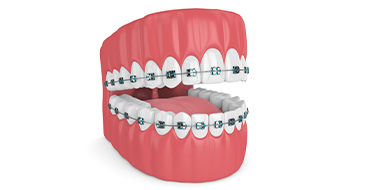
Traditional metal braces are the most effective and versatile orthodontic solution, especially for complex dental issues. Braces use metal brackets and wires to gradually move teeth into their desired positions. While noticeable, they are highly effective in treating a wide range of dental concerns.
Clear Aligners
Clear aligners, such as Invisalign, offer a discreet option for orthodontic treatment. These custom-made, removable plastic trays gradually shift your teeth into position. Invisalign aligners are nearly invisible, making them a popular choice for adults and teens who prefer a more subtle treatment.
Benefits and Risks of Orthodontics
Positive Outcomes of Orthodontic Treatment
- Improved Aesthetics: A straightened smile enhances overall facial appearance and boosts confidence.
- Better Oral Health: Straight teeth are easier to clean, reducing the risk of cavities, gum disease, and other dental issues.
- Enhanced Function: Properly aligned teeth improve chewing, speaking, and jaw function, reducing strain on the jaw and muscles.
Possible Risks and Considerations
- Discomfort: Some discomfort is common, especially after adjustments or new aligner placements.
- Compliance: Consistency in wearing braces or aligners is crucial for successful results.
- Duration: Treatment duration varies, and some cases may take longer than expected based on the complexity of the issue.
Post-Treatment Care and Longevity of Results
To ensure your orthodontic results last, it’s important to follow your orthodontist’s care instructions after treatment. Wearing your retainer as recommended, attending regular follow-up visits, and maintaining good oral hygiene will help preserve your new smile for years.